
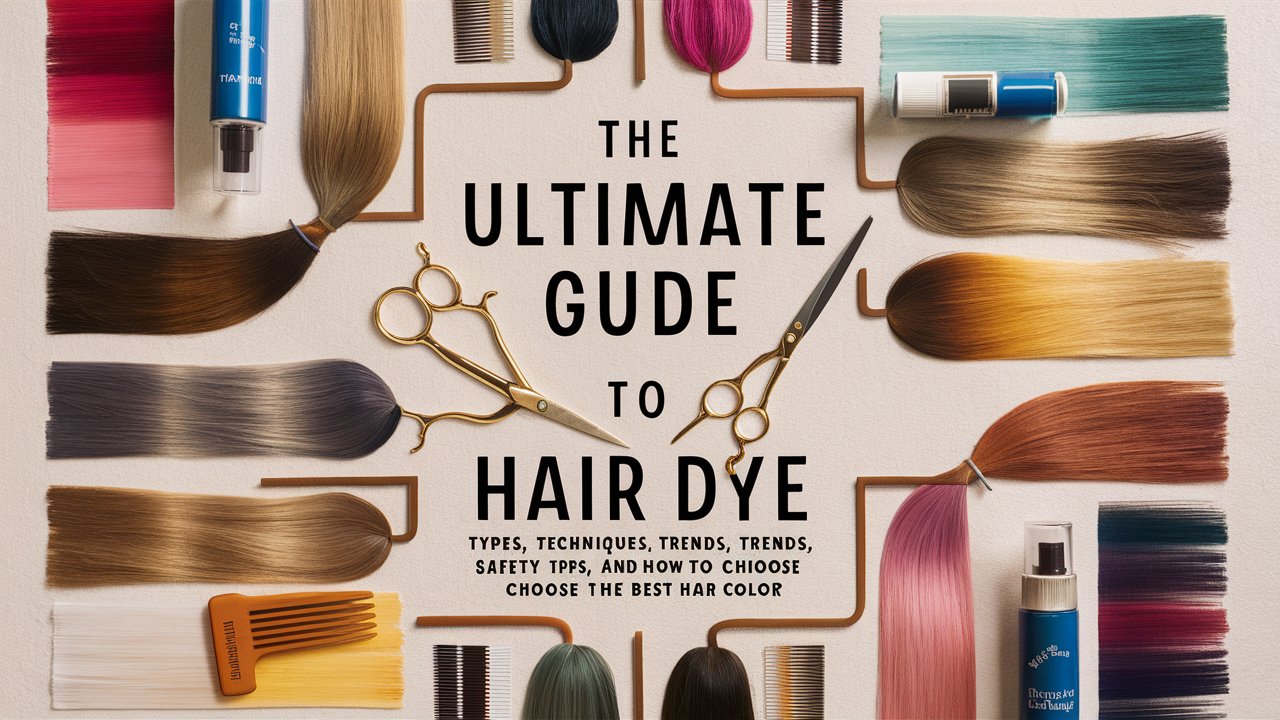
Hair dye has evolved from a simple cosmetic option into a major beauty industry essential that allows individuals to express their identity, creativity, and confidence. With millions of people coloring their hair every day, offers a powerful way to transform your look—whether you want a bold fashion shade, a subtle enhancement, a youthful refresh, or complete color coverage. Modern hair dye formulas offer improved durability, vibrant pigmentation, nourishing ingredients, and safer application processes, making hair coloring more accessible and appealing than ever before. From permanent and semi-permanent dyes to organic formulas and professional salon treatments, choosing the right type of depends on your hair goals, texture, maintenance routine, and preferred style. This comprehensive guide explores everything you need to know about, including the best types, techniques, trends, ingredients, and tips for achieving healthier, long-lasting color results.
1. Understanding Hair Dye and How It Works
Keywords: what is hair dye, how hair dye works,
Hair dye works through a chemical or natural process that deposits or lifts pigment within the hair shaft, creating a new color that reflects your style and personality. Permanent uses ammonia or alternative alkaline agents to open the hair cuticle and allow color molecules to bond with the inner cortex, offering long-lasting results that resist fading. Semi-permanent and demi-permanent dyes, on the other hand, deposit color onto the outer layers of hair without major chemical alteration, making them gentler options for those who prefer less commitment or want a temporary change. Understanding how works scientifically helps users make informed decisions, choose the right product, and maintain color vibrancy over time. By learning the differences between dye types, you can better protect your hair health and achieve stunning color transformations safely and effectively.
2. Types of Hair Dye and Their Benefits
Keywords: permanent hair dye, natural hair dye
Hair dye comes in several major categories, each offering unique benefits depending on your styling goals and maintenance needs. Permanent is ideal for individuals who want complete gray coverage, long-term results, or significant color changes, because it creates a lasting bond deep inside the hair shaft. Semi-permanent provides softer, more subtle color that gradually fades with each wash, making it perfect for beginners, experimental shades, and low-maintenance users who want flexibility. Demi-permanent dye sits between the two, offering longer-lasting results than semi-permanent dye while still being gentler than permanent color. Natural, such as henna and botanical-based formulas, provide plant-derived pigment that strengthens hair while coloring it, making them popular among people who prefer chemical-free solutions. By choosing the right type of you can ensure your coloring experience suits your lifestyle, hair condition, and personal preferences.
3. Choosing the Right Hair Dye Color Based on Skin Tone and Hair Type
Keywords: choosing hair dye color, best hair color for your hair type
Selecting the perfect color requires understanding both your skin undertone and your hair type to achieve a flattering, cohesive look. Warm skin tones tend to pair well with golden blondes, honey browns, copper reds, and warm chocolate shades, while cool skin tones typically look best with ash blondes, cool browns, icy platinums, burgundy reds, and jet black tones. Neutral undertones offer flexibility, allowing individuals to wear both warm and cool hair colors. In addition to skin tone, hair type plays a significant role in how dye will absorb and appear on your strands. Fine hair often processes faster and may appear lighter than expected, while coarse or curly hair may require richer pigment or longer processing time to achieve full saturation. Choosing a that complements your natural features ensures a balanced, radiant appearance that enhances your overall aesthetic.
4. The Most Popular Hair Dye Trends of the Year
Keywords: hair dye trends, trending hair colors, popular hair color ideas
Each year brings new trends influenced by celebrities, social media, fashion designers, and beauty innovators. Trending hair colors include soft balayage blends, bold fashion shades such as lavender, teal, and silver, and natural-looking shades like caramel highlights and rich espresso brown. Ombre and balayage techniques continue dominating the beauty world because they create a gradient effect that looks effortless, adds dimension, and reduces the need for constant touch-ups. Vibrant and fantasy colors remain popular among younger audiences seeking expressive styles, while muted, earthy tones such as mushroom brown and sandy blonde appeal to individuals who prefer subtle sophistication. Staying updated on the latest trends helps you choose a look that feels modern, stylish, and uniquely aligned with your personality.
5. Hair Dye Ingredients: What to Look For and What to Avoid
Keywords: hair dye ingredients, ammonia-free hair dye
Understanding ingredients is essential for maintaining healthy hair and choosing safe products that minimize damage or irritation. Many traditional permanent dyes contain ammonia, which helps open the cuticle but may cause dryness, while modern formulas often use ammonia-free alternatives like monoethanolamine (MEA) that are gentler yet effective. Conditioning agents such as argan oil, keratin, aloe vera, and she butter help nourish and protect the hair during the coloring process, making them desirable features in high-quality dyes. However, harsh chemicals like parabens, resorcinol, and excessive sulfates may irritate sensitive scalps or cause allergic reactions, so reading labels carefully is crucial. By choosing with balanced, gentle ingredients, you can enjoy beautiful color without compromising your hair’s long-term health.

6. Step-by-Step Guide to Applying Hair Dye at Home
Keywords: how to dye hair at home, home hair coloring guide
Applying at home can be a rewarding and cost-effective process when done correctly, but it requires preparation, technique, and attention to detail to achieve professional results. Before beginning, perform a patch test to ensure you’re not allergic to the formula, and gather essential tools such as gloves, clips, combs, brushes, and protective cloths. Sectioning your hair into small, manageable parts ensures even application, whether you are covering gray roots, applying all-over color, or refreshing your current shade. Following the recommended processing time is crucial, as over-processing can dry out the hair while under-processing may lead to uneven color. Rinsing thoroughly with cool water and applying a nourishing conditioner helps seal the cuticle and lock in pigment. With patience and proper technique, home can produce striking results comparable to professional salon treatments.
7. Professional Hair Dye Treatments and Why They’re Worth It
Keywords: salon hair dye, professional hair coloring, expert hair color
While DIY offers convenience, professional salon treatments provide unmatched precision, expertise, and color customization. A certified hair colorist can analyze your hair condition, texture, and color history to determine the safest and most flattering options. Professional salons offer advanced techniques such as balayage, babylights, root melts, color corrections, and multi-dimensional highlights that are difficult to replicate at home. They also use high-quality dyes with advanced conditioning formulas that help protect the hair while offering richer, more vibrant results. For those seeking dramatic color changes, gray coverage, or corrective work, professional services ensure your hair remains healthy and beautifully colored. Investing in professional may cost more upfront, but the results typically last longer and require fewer touch-ups, providing excellent long-term value.
8. Maintaining Your Hair Dye for Long-Lasting Vibrancy
Keywords: maintain hair dye, color protection tips, long-lasting hair color
Maintaining vibrant requires a consistent care routine that protects the pigment and nourishes the hair. Using sulfate-free shampoo helps prevent color stripping and keeps hair smooth, while deep conditioning masks restore moisture lost during the dyeing process. Washing your hair less frequently extends the life of your color, and using lukewarm water instead of hot water preserves pigment. UV protection sprays shield hair from sun damage, which can cause fading, especially in bold or pastel shades. For those with bleached or lightened hair, purple or blue shampoos help neutralize brassiness and maintain a cool tone. Regular trims, root touch-ups, and gloss treatments also keep your hair looking polished and refreshed. With proper care, your can remain radiant, shiny, and full of life for weeks or even months.
9. Common Mistakes to Avoid When Using Hair Dye
Keywords: hair dye mistakes, avoid hair damage, coloring errors
Many people unknowingly make mistakes during the dyeing process that impact the final results or damage the hair. Skipping a strand test can lead to unexpected color outcomes, especially when trying new shades or brands. Applying dye unevenly or rushing through the process often causes patchy results, while leaving dye on too long can damage the hair’s cuticle and create brittle strands. Using the wrong developer strength may cause uneven lifting or excessive dryness, and failing to condition properly after coloring reduces shine and softness. Avoiding these common mistakes ensures that your hair coloring experience is safer, healthier, and more predictable. Educating yourself about the correct techniques and products allows you to enjoy flawless, vibrant color every time.
10. How to Choose the Best Hair Dye for Your Needs
Keywords: best hair dye, choosing and hair dye buying guide
Choosing the best requires considering factors such as your desired shade, hair health, maintenance level, and whether you prefer natural or chemical-based formulas. Individuals seeking long-lasting color and full coverage may prefer permanent dyes, while those experimenting with new looks may choose semi- or demi-permanent options that fade gradually. If you have a sensitive scalp or damaged hair, look for ammonia-free or plant-based dyes that prioritize nourishment over harsh chemical processing. Checking reviews, ingredient lists, and brand reputation helps ensure you purchase a high-quality that delivers reliable results. By assessing your priorities and understanding your hair’s unique needs, you can confidently choose a dye that enhances your beauty and maintains the health of your strands.
Conclusion: Hair Dye Offers Endless Possibilities for Beauty, Style, and Self-Expression
Hair dye is more than a beauty product—it is a form of self-expression, creativity, and transformation that allows people to reinvent themselves and showcase their individuality. With so many types, techniques, colors, and formulas available, choosing the right can elevate your entire look and boost your confidence in powerful ways. Whether you prefer subtle highlights, dramatic fashion shades, gentle natural dyes, or expert salon treatments, the key to stunning hair color lies in understanding the process, selecting the right products, and practicing proper maintenance. By making informed choices and following proven care routines, you can enjoy vibrant, healthy, long-lasting color that enhances your beauty and expresses your personal style every day.
FAQs About Hair Dye
1. How long does hair dye last?
Permanent dye lasts until new hair grows, while semi-permanent dye typically lasts 4–12 washes depending on the brand and hair type.
2. Is hair dye damaging to the hair?
Some dyes can cause dryness or breakage, but modern formulas with nourishing ingredients and proper care can minimize damage significantly.
3. Can I dye my hair at home?
Yes, many people successfully dye their hair at home using boxed dye or professional kits, but following instructions carefully is essential.
4. How often can I dye my hair?
It’s generally recommended to wait 4–6 weeks between dye sessions, especially for permanent colors or root touch-ups.
5. What hair dye is best for beginners?
Semi-permanent and ammonia-free dyes are easier and safer for beginners because they require less precision and do not permanently alter the hair structure.
