
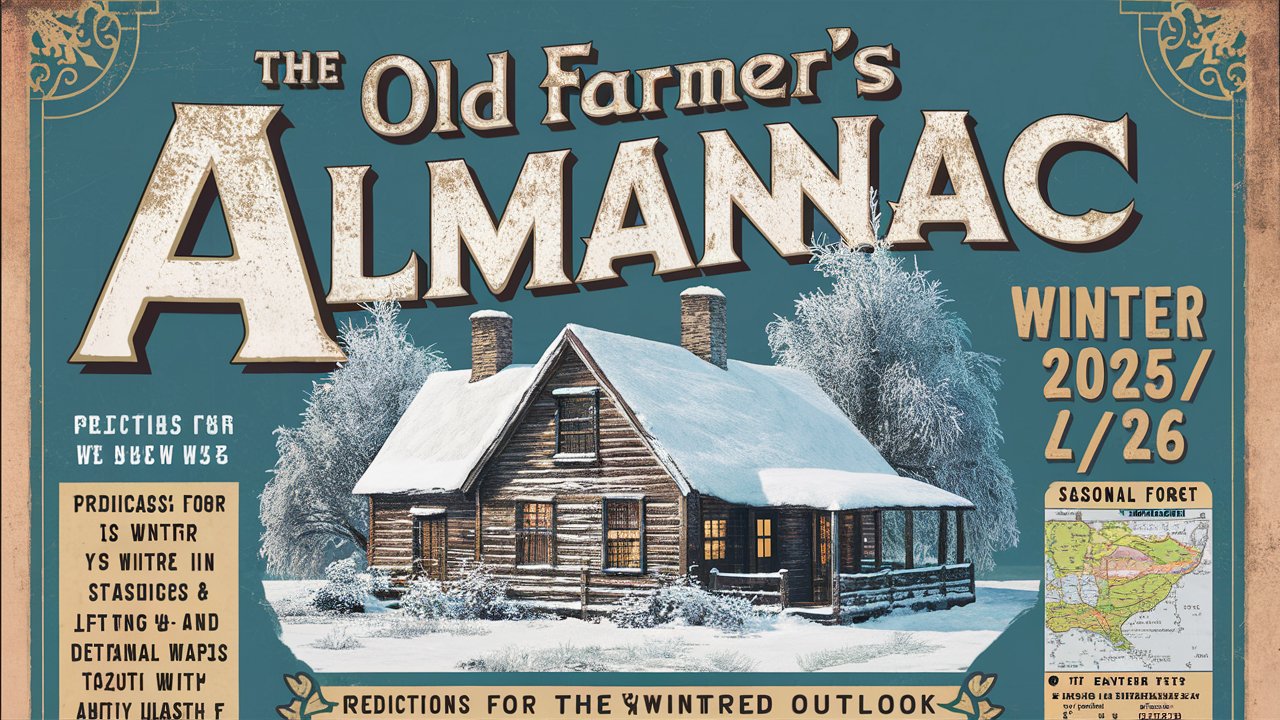
The old farmer’s almanac winter 2025/26 forecast has arrived, and it’s already sparking conversations across North America. Known for its long-range weather predictions and uncanny accuracy, the Old Farmer’s Almanac has been a trusted source for over two centuries. Each year, millions of readers turn to it for insights into upcoming weather patterns, gardening tips, and seasonal trends. The winter 2025/26 edition promises to be one of the most intriguing yet, with forecasts suggesting a mix of extreme cold, heavy snowfall, and unpredictable temperature swings across various regions. This comprehensive guide explores the Old Farmer’s Almanac’s winter 2025/26 predictions, regional breakdowns, and what these forecasts mean for travelers, farmers, and everyday readers preparing for the cold months ahead.
1. Old Farmer’s Almanac Winter 2025/26 Overview
The Old Farmer’s Almanac Winter 2025/26 forecast predicts a winter season that will be colder and snowier than average for many parts of the United States and Canada. According to the Almanac’s long-range weather model, which combines solar activity, historical climate data, and atmospheric patterns, the upcoming winter will bring a return to traditional cold-weather conditions after several years of milder winters. The publication suggests that the northern and central regions will experience frequent snowstorms, while the southern states may see a mix of rain, sleet, and occasional snow. The overall theme for winter 2025/26 is “The Great Chill Returns,” emphasizing a season dominated by cold air masses and active storm tracks.
2. How the Old Farmer’s Almanac Makes Its Predictions
The Old Farmer’s Almanac has been forecasting weather since 1792, using a proprietary formula that remains one of the most closely guarded secrets in publishing. The formula considers factors such as solar cycles, ocean currents, and atmospheric pressure patterns to predict long-term weather trends. While modern meteorologists rely on short-term models and satellite data, the Almanac’s approach focuses on cyclical patterns that repeat over decades. For winter 2025/26, the Almanac’s predictions are influenced by expected solar activity and the potential return of a weak El Niño or La Niña pattern, both of which can significantly impact North American weather. Despite its traditional methods, the Almanac boasts an accuracy rate of around 80%, making it a respected reference for seasonal forecasting.
3. Regional Forecast: What to Expect Across the U.S.
The Old Farmer’s Almanac Winter 2025/26 forecast provides detailed regional predictions, highlighting how different parts of the country will experience the season.
- Northeast: Expect a classic winter with frequent snowfalls and below-average temperatures. Cities like Boston, New York, and Philadelphia may see several major snow events between December and February.
- Midwest: The heartland will face some of the coldest conditions, with Arctic blasts sweeping through states like Minnesota, Wisconsin, and Michigan. Snowfall totals are expected to be above normal, especially around the Great Lakes.
- South: The southern states will experience a mix of chilly rain and occasional snow, particularly in higher elevations. Texas and the Gulf Coast may see cooler-than-usual temperatures but limited snow accumulation.
- West: The western U.S. will have a varied winter. The Pacific Northwest is forecasted to receive heavy rain and mountain snow, while California may experience a drier season. The Rockies will see abundant snowfall, ideal for ski resorts.
- Southeast: Mild but wet conditions are expected, with frequent rainstorms and cooler nights. Florida will remain relatively warm but may experience more rain than usual.
4. Canada’s Winter 2025/26 Forecast
For Canada, the old farmer’s almanac winter 2025/26 predicts a long and frigid season. Western provinces like British Columbia and Alberta will see heavy snow in the mountains and colder-than-average temperatures. Central Canada, including Manitoba and Ontario, will face persistent cold spells and frequent snowstorms. Eastern Canada, particularly Quebec and the Maritimes, will experience a mix of snow, ice, and rain, creating challenging travel conditions. The northern territories are expected to endure extreme cold, with temperatures plunging well below seasonal norms. Overall, Canadians should prepare for a winter that feels longer and harsher than recent years.
5. Snowfall Predictions for Winter 2025/26
According to the Old Farmer’s Almanac, snowfall will be a defining feature of the 2025/26 winter season. The Great Lakes region, the Northeast, and the northern Plains are expected to receive above-average snowfall, with several significant snowstorms likely throughout January and February. The Appalachian Mountains and parts of the Rockies will also see heavy snow accumulation, benefiting winter sports enthusiasts. In contrast, the southern and coastal regions will experience lighter snowfall, though occasional winter storms could still bring brief disruptions. The Almanac’s forecast suggests that snow lovers will have plenty to look forward to, while commuters may need to prepare for challenging travel conditions.
6. Temperature Trends and Cold Spells
The old farmer’s almanac winter 2025/26 emphasizes colder-than-average temperatures across much of North America. The Midwest and Northeast will experience the most intense cold waves, with temperatures frequently dipping below freezing. The central U.S. may see several Arctic outbreaks, while the West Coast will remain relatively mild. The South will have cooler nights but fewer prolonged cold spells. The Almanac attributes these patterns to shifting jet streams and increased polar air movement. Overall, the winter will feel longer and more traditional, reminiscent of the colder winters of the early 2000s.
7. Impact on Agriculture and Daily Life
The old farmer’s almanac winter 2025/26 forecast has important implications for farmers, gardeners, and everyday life. Prolonged cold and heavy snow can delay planting schedules in early spring, particularly in northern regions. Farmers may need to prepare for potential frost damage and ensure livestock are adequately sheltered. For urban residents, the forecast suggests a need for winter preparedness—stocking up on heating supplies, maintaining vehicles for icy conditions, and planning for possible travel disruptions. Energy consumption is also expected to rise due to increased heating demands, which could impact utility costs.
8. How Accurate Are the Old Farmer’s Almanac Predictions?
The Old Farmer’s Almanac has built its reputation on long-term forecasting accuracy, claiming an average success rate of around 80%. While some meteorologists question the scientific basis of its methods, many readers find its predictions remarkably consistent with actual weather outcomes. The Almanac’s blend of historical data and solar science has proven effective in identifying general seasonal trends, even if exact dates and intensities vary. For winter 2025/26, the forecast aligns with early meteorological models suggesting a colder, snowier season, lending further credibility to its predictions.
9. Tips for Preparing for Winter 2025/26
With the old farmer’s almanac winter 2025/26 predicting a colder and snowier season, preparation is key. Homeowners should inspect heating systems, insulate pipes, and ensure roofs are ready for heavy snow. Drivers should equip vehicles with winter tires and emergency kits. Farmers and gardeners can use the Almanac’s planting calendar to plan for delayed spring conditions. Stocking up on essentials such as food, water, and warm clothing can also help households stay comfortable during potential storms. By preparing early, individuals can minimize disruptions and make the most of the winter season.
10. Why the Old Farmer’s Almanac Remains a Trusted Source
Despite the rise of modern meteorology, the Old Farmer’s Almanac continues to hold a special place in American and Canadian culture. Its blend of weather forecasting, folklore, and practical advice appeals to readers who appreciate both science and tradition. The Almanac’s long history of accurate predictions and its commitment to community knowledge make it more than just a weather guide—it’s a cultural institution. The winter 2025/26 edition reinforces this legacy, offering insights that help people prepare for the challenges and beauty of the cold season ahead.
Conclusion
The Old Farmer’s Almanac Winter 2025/26 forecast paints a picture of a season filled with cold air, heavy snow, and classic winter conditions across much of North America. With its emphasis on colder temperatures and above-average snowfall, this winter promises to be one of the most memorable in recent years. Whether you’re a farmer planning for the growing season, a traveler preparing for snowy roads, or simply someone who loves cozy winter nights, the Almanac’s predictions provide valuable guidance. As always, the Old Farmer’s Almanac combines time-tested wisdom with modern relevance, reminding readers that while weather may be unpredictable, preparation and knowledge remain timeless.
