
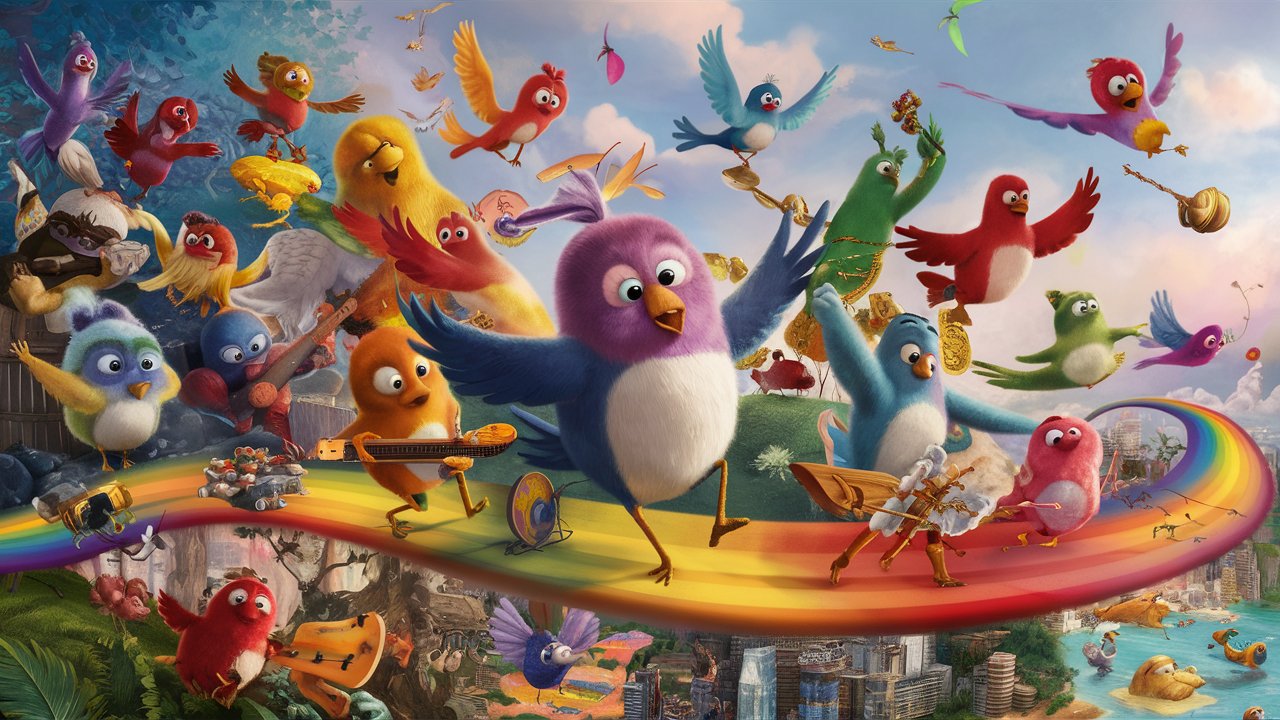
The concept of a cartoon bird has been a beloved part of animation for decades, symbolizing freedom, humor, and creativity. From classic animated films to modern digital cartoons, birds have always captured the imagination of audiences with their expressive personalities and vibrant designs. Whether it’s a wise old owl, a mischievous parrot, or a cheerful bluebird, cartoon birds bring life and energy to stories through their unique traits and colorful appearances. This article explores the fascinating world of cartoon birds—their history, design evolution, symbolism, and cultural impact—while highlighting why these animated creatures continue to soar high in the hearts of viewers around the world.
1. What Is a Cartoon Bird?
A cartoon bird is an animated or illustrated representation of a bird, often designed with exaggerated features, bright colors, and human-like expressions. These characters appear in television shows, movies, comics, and digital media, serving as symbols of joy, intelligence, or mischief. Unlike realistic depictions, cartoon birds are stylized to emphasize personality and emotion, making them relatable and entertaining. Their ability to fly often represents freedom and adventure, while their chirpy voices and playful movements make them ideal for storytelling. Cartoon birds are not just characters—they are artistic expressions that blend nature with imagination.
2. The History of Cartoon Birds in Animation
The history of cartoon birds in animation dates back to the early 20th century, when animators began experimenting with animal characters to bring humor and life to their creations. One of the earliest and most iconic examples is Woody Woodpecker, introduced in the 1940s, whose mischievous laugh and energetic personality made him a household name. Around the same time, Tweety Bird from Warner Bros. became a symbol of innocence and cleverness, often outsmarting his feline rival, Sylvester. Over the years, cartoon birds evolved with technology, appearing in 3D animations and digital art. Characters like Zazu from The Lion King and Blu from Rio showcase how modern animation continues to reinvent the cartoon bird with advanced visuals and storytelling depth.
3. The Symbolism of Cartoon Birds
Cartoon birds often carry deep symbolic meanings that resonate with audiences of all ages. They are frequently associated with freedom, happiness, and hope, reflecting the natural ability of birds to soar through the skies. In many stories, a cartoon bird represents wisdom, as seen in the depiction of owls, or loyalty, as portrayed by doves and parrots. Some birds symbolize humor and mischief, embodying the playful side of human nature. The versatility of cartoon birds allows them to fit into various genres—from comedy and adventure to fantasy and education—making them timeless symbols of imagination and creativity.
4. Popular Cartoon Bird Characters
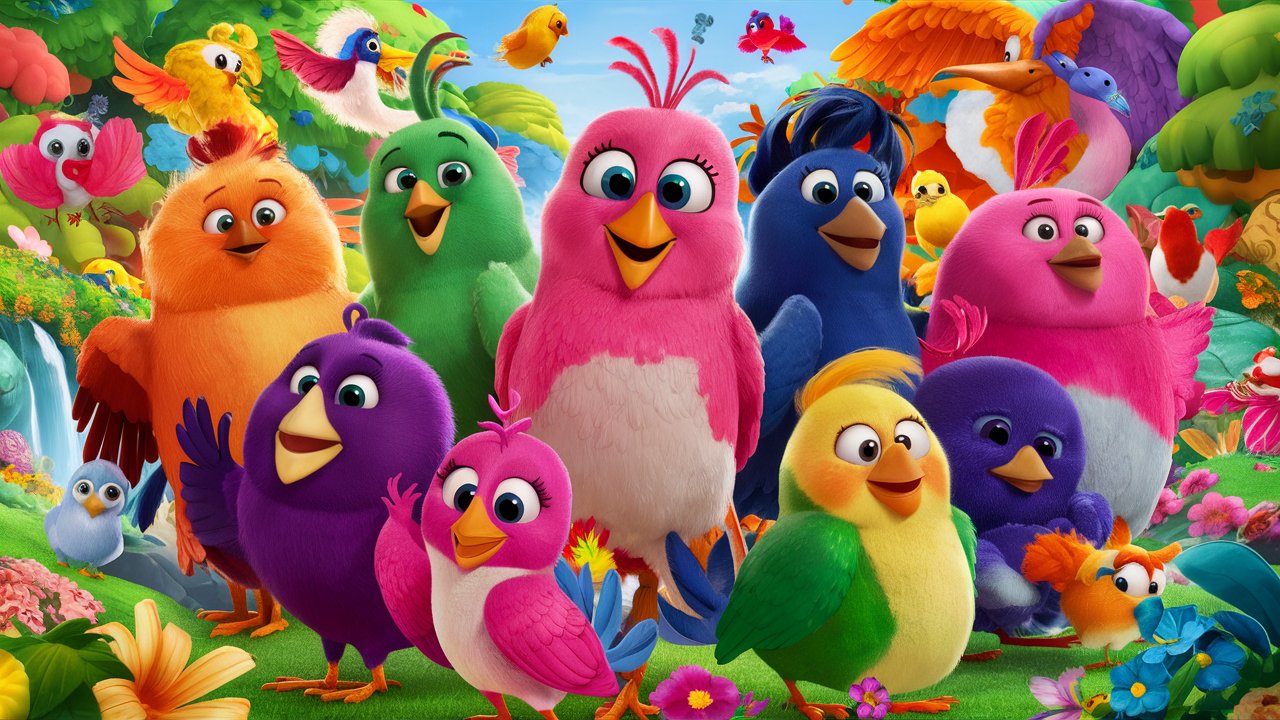
The world of animation is filled with memorable cartoon bird characters that have left a lasting impression on audiences. Tweety Bird, with his innocent charm and clever wit, remains one of the most recognized cartoon birds in history. Donald Duck, created by Disney, is another iconic character known for his temperamental yet lovable personality. Woody Woodpecker brought laughter with his mischievous antics, while Iago from Aladdin showcased the cunning and sarcastic side of avian characters. In modern times, Blu from Rio and Red from The Angry Birds Movie have introduced new generations to the charm of animated birds. Each of these characters reflects different aspects of human emotion, making them relatable and entertaining across cultures and generations.
5. The Art and Design of Cartoon Birds
Designing a cartoon bird requires a balance between realism and creativity. Animators often start with the basic anatomy of a bird but exaggerate certain features—such as large eyes, expressive wings, or colorful feathers—to make the character more engaging. The choice of color plays a crucial role in defining personality; for example, bright colors like yellow or blue often represent cheerfulness, while darker tones may suggest mystery or wisdom. The movement of wings, beak expressions, and body language are carefully animated to convey emotions effectively. Modern digital tools allow artists to create highly detailed and dynamic cartoon birds that can express a wide range of feelings, from joy and curiosity to fear and excitement.
6. The Role of Cartoon Birds in Storytelling
Cartoon birds play a vital role in storytelling by adding humor, emotion, and depth to animated narratives. Their ability to fly often symbolizes freedom or escape, while their songs and chirps can set the tone for a scene. In many stories, cartoon birds act as sidekicks or guides, offering wisdom or comic relief to the main characters. For example, Zazu in The Lion King serves as a loyal advisor, while Blu in Rio represents self-discovery and courage. The versatility of cartoon birds allows them to fit seamlessly into various storylines, whether it’s a lighthearted comedy or an emotional adventure. Their expressive nature makes them perfect for conveying messages of hope, friendship, and perseverance.
7. The Evolution of Cartoon Birds in Modern Media
With the rise of digital animation and 3D technology, cartoon birds have evolved beyond traditional hand-drawn styles. Modern films and series use advanced computer graphics to create lifelike feathers, realistic flight movements, and detailed environments. This evolution has allowed animators to explore new storytelling possibilities while maintaining the charm of classic cartoon designs. Social media and online platforms have also given rise to new cartoon bird characters, often used in memes, educational videos, and mobile games. Despite technological advancements, the essence of cartoon birds remains the same—they continue to entertain, inspire, and connect with audiences through their expressive personalities and universal appeal.
8. Why Cartoon Birds Are Loved Worldwide
The universal appeal of cartoon birds lies in their ability to transcend language and culture. Their expressive faces, humorous antics, and relatable emotions make them accessible to audiences of all ages. Children are drawn to their bright colors and playful behavior, while adults appreciate the nostalgia and symbolism they carry. Cartoon birds often embody positive traits such as optimism, intelligence, and resilience, making them ideal role models in animated storytelling. Whether appearing in classic cartoons or modern digital animations, these feathered characters continue to bring joy and laughter to millions around the world.
Conclusion
The world of cartoon birds is a vibrant and imaginative realm where creativity takes flight. From the early days of hand-drawn animation to the digital masterpieces of today, cartoon birds have remained a cornerstone of animated storytelling. They symbolize freedom, humor, and the boundless possibilities of imagination. Through their colorful designs, expressive personalities, and timeless appeal, cartoon birds continue to inspire artists and entertain audiences across generations. As animation technology advances, these beloved characters will keep soaring higher, reminding us that even in the world of fantasy, a little bird can carry a big message.
Frequently Asked Questions (FAQ)
1. What makes cartoon birds so popular in animation?
Cartoon birds are popular because they are expressive, colorful, and versatile. Their ability to fly symbolizes freedom, and their personalities can range from funny and mischievous to wise and caring.
2. Who are some of the most famous cartoon bird characters?
Some of the most famous cartoon birds include Tweety Bird, Donald Duck, Woody Woodpecker, Iago from Aladdin, and Blu from Rio. Each character has a unique personality that appeals to different audiences.
3. How do animators design cartoon birds?
Animators design cartoon birds by exaggerating features like eyes, wings, and beaks to make them more expressive. They use color, movement, and facial expressions to convey emotions and personality traits.
4. What do cartoon birds symbolize in stories?
Cartoon birds often symbolize freedom, happiness, intelligence, and hope. They can also represent humor, curiosity, or wisdom, depending on the story’s theme and tone.
5. How have cartoon birds evolved with technology?
With advancements in digital animation, cartoon birds have become more detailed and realistic. Modern technology allows animators to create lifelike feathers, fluid movements, and expressive 3D designs while preserving the charm of traditional animation.
