
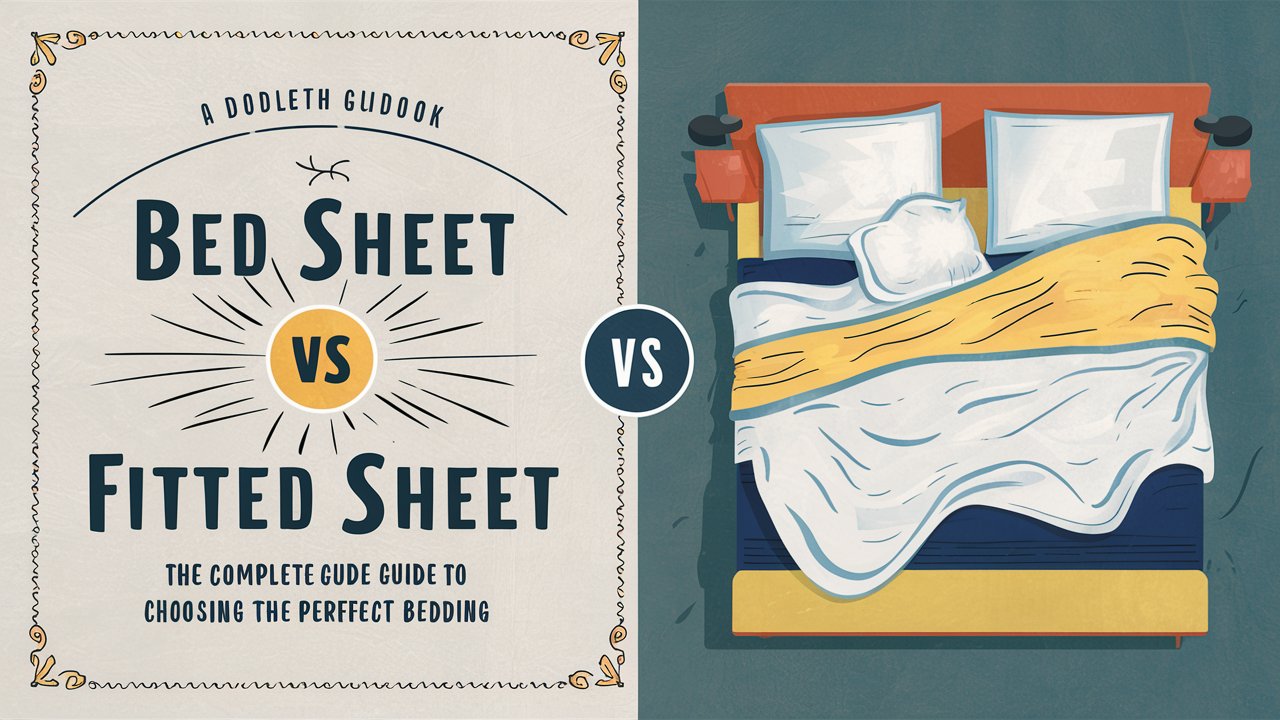
A comfortable bed sheet fitted sheet is one of the most important elements of a good night’s sleep, and the type of bed sheet used plays a major role in achieving that comfort. When it comes to bedding, two common terms often cause confusion—bed sheet and fitted sheet. While both serve the purpose of covering the mattress and providing a soft surface to sleep on, they differ in design, function, and usage. Understanding the difference between a bed sheet fitted sheet can help in choosing the right one for personal comfort, style, and convenience. This guide explores everything about bed sheets and fitted sheets, including their features, benefits, materials, and how to care for them properly.
What Is a Bed Sheet?
A bed sheet is a large piece of fabric that covers the mattress to create a smooth and comfortable sleeping surface. Traditionally, bed sheets are flat and rectangular, designed to be tucked under the mattress to stay in place. They are available in various materials such as cotton, linen, silk, microfiber, and bamboo, each offering different levels of softness, breathability, and durability. Bed sheets are often sold as part of a bedding set that includes pillowcases and sometimes a fitted sheet. The main advantage of a flat bed sheet is its versatility—it can be used as a top sheet, a bottom sheet, or even as a light blanket during warmer months.
What Is a Fitted Sheet?
A fitted sheet is a specially designed bed sheet with elastic corners that fit snugly around the mattress. Unlike flat sheets, fitted sheets are tailored to match the exact dimensions of the mattress, ensuring a tight and secure fit. The elastic edges prevent the sheet from slipping or bunching up during sleep, keeping the bed neat and comfortable. Fitted sheets are available in various sizes, including single, double, queen, and king, and are made from materials similar to flat sheets.
Bed Sheet vs Fitted Sheet: Key Differences
The main difference between a bed sheet and a fitted sheet lies in their design and purpose. A flat bed sheet is a simple rectangular piece of fabric that can be tucked under the mattress, while a fitted sheet has elastic corners that wrap around the mattress for a secure fit. Flat sheets are easier to fold, iron, and store, whereas fitted sheets provide a more polished and wrinkle-free appearance on the bed. Another difference is in their usage—flat sheets are often used as a top layer between the sleeper and the blanket, while fitted sheets serve as the bottom layer directly covering the mattress. Both types of sheets can be used together for maximum comfort and hygiene.
Benefits of Using a Fitted Sheet
Fitted sheets offer several advantages that make them a popular choice for modern bedding. The elasticized corners ensure that the sheet stays in place, eliminating the need for constant adjustments. This feature also helps protect the mattress from dust, sweat, and spills, extending its lifespan. Fitted sheets provide a smooth and wrinkle-free surface, enhancing the overall look of the bed. They are also easy to remove and wash, making them convenient for regular use. For people who value a tidy and well-made bed, fitted sheets are an essential part of their bedding collection.
Benefits of Using a Flat Bed Sheet
Flat bed sheets, on the other hand, offer flexibility and versatility. They can be used as a top sheet to create an extra layer of comfort and protection between the sleeper and the blanket. This helps keep the blanket clean and reduces the frequency of washing heavier bedding items. Flat sheets are also easier to fold and iron compared to fitted sheets, making them ideal for those who prefer crisp, hotel-style bedding. Additionally, flat sheets can be used as lightweight covers during summer or as decorative layers to enhance the aesthetic appeal of the bed.
Choosing the Right Material for Bed Sheets and Fitted Sheets
The material of a bed sheet or fitted sheet greatly influences comfort, durability, and maintenance. Cotton is the most popular choice due to its softness, breathability, and moisture-absorbing properties. Egyptian cotton and Pima cotton are premium varieties known for their luxurious feel and long-lasting quality. Linen sheets are ideal for hot climates as they are highly breathable and naturally cooling. Microfiber sheets are affordable, wrinkle-resistant, and easy to maintain, making them suitable for everyday use. Silk and bamboo sheets offer a smooth, hypoallergenic surface that is gentle on the skin. When choosing between materials, consider factors such as climate, personal preference, and ease of care.
How to Care for Bed Sheets and Fitted Sheets
Proper care extends the life of bed sheets and fitted sheets while maintaining their softness and color. It is recommended to wash sheets every one to two weeks using mild detergent and cold or warm water. Avoid using bleach or harsh chemicals, as they can weaken the fabric fibers. For fitted sheets, ensure that the elastic corners are not overstretched during washing or drying. Line drying is preferable, but if using a dryer, choose a low-heat setting to prevent shrinkage. Storing sheets in a cool, dry place keeps them fresh and ready for use.
Styling Tips for Bed Sheets and Fitted Sheets
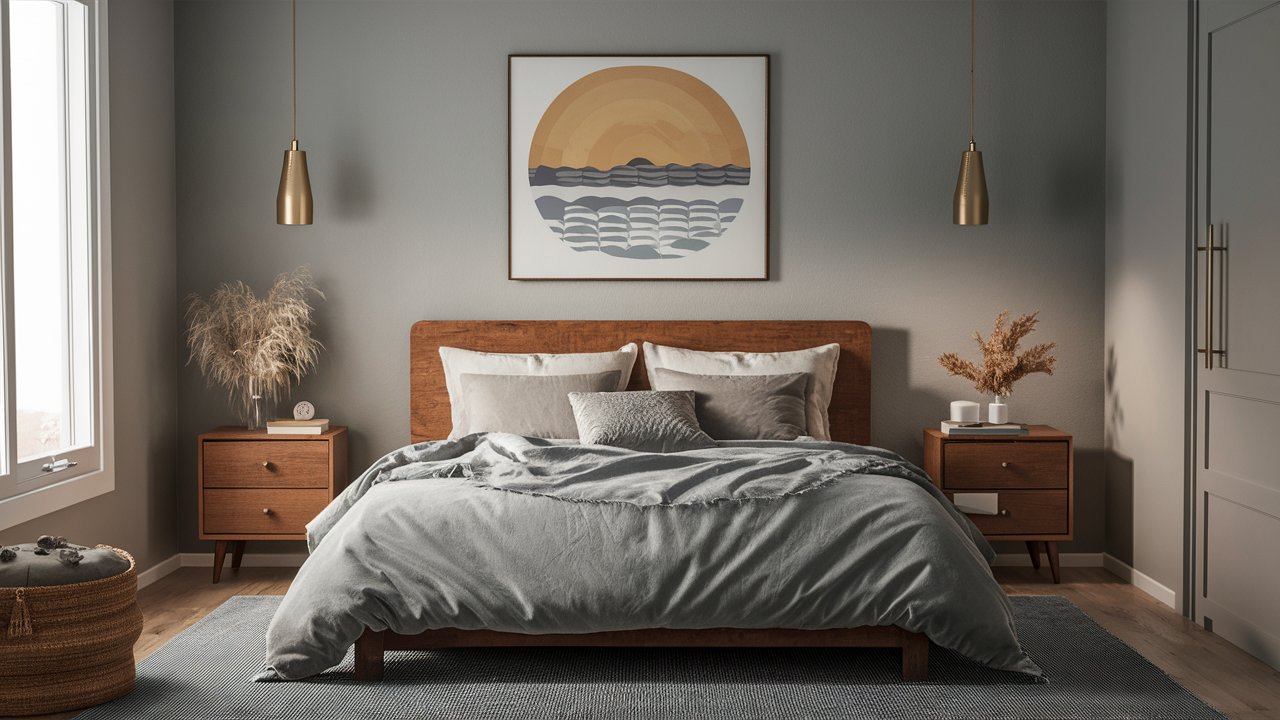
The right combination of bed sheets and fitted sheets can transform the look of a bedroom. Choose colors and patterns that complement the room’s décor and create a relaxing atmosphere. Neutral tones like white, beige, and gray offer a timeless and elegant look, while bold colors and prints can add personality and vibrancy. Layering a flat sheet over a fitted sheet not only enhances comfort but also gives the bed a luxurious, layered appearance. Mixing textures, such as pairing a cotton bed sheet fitted sheett with a linen flat sheet, can create a cozy and inviting feel. Investing in high-quality sheets ensures both style and comfort for years to come.
Conclusion
Both bed sheets and fitted sheets play essential roles in creating a comfortable and stylish sleeping environment. While bed sheet fitted sheet provide a snug, secure fit that keeps the bed neat, flat bed sheets offer versatility and elegance. Choosing the right type depends on personal preference, lifestyle, and desired aesthetic. By understanding the differences, benefits, and care requirements of each, it becomes easier to create a bedding setup that promotes restful sleep and enhances bedroom décor.
Frequently Asked Questions
1. What is the main difference between a bed sheet and a fitted sheet?
A bed sheet is a flat piece of fabric that can be tucked under the mattress, while a fitted sheet has elastic corners that wrap around the mattress for a secure fit.
2. Can I use a fitted sheet without a flat sheet?
Yes, many people use only a fitted sheet for simplicity, especially in warmer climates or for minimalist bedding setups.
3. How do I choose the right size fitted sheet?
Measure the length, width, and depth of your mattress and choose a fitted sheet that matches those dimensions for a snug fit.
4. What materials are best for bed sheets and fitted sheets?
Cotton, linen, microfiber, and bamboo are popular materials. Cotton is soft and breathable, while microfiber is durable and easy to maintain.
5. How often should I wash my bed sheets and fitted sheets?
It is recommended to wash sheets every one to two weeks to maintain hygiene and freshness.
6. Why does my fitted sheet keep slipping off the mattress?
This usually happens when the sheet is too small or the elastic has worn out. Choosing the correct size and quality elastic can prevent slipping.
7. Can I iron a fitted sheet?
Yes, but it can be tricky due to the elastic corners. Ironing the flat areas only is usually sufficient.
8. Are flat sheets necessary?
Flat sheets are optional but useful for adding an extra layer of comfort and protecting blankets or duvets from dirt and sweat.
9. What is the best thread count for bed sheets?
A thread count between 300 and 600 is ideal for most cotton sheets, offering a balance of softness and durability.
10. How can I make my bed look more luxurious?
Use a fitted sheet for a smooth base, layer a flat sheet on top, and add decorative pillows and a duvet cover to create a hotel-style look.
