
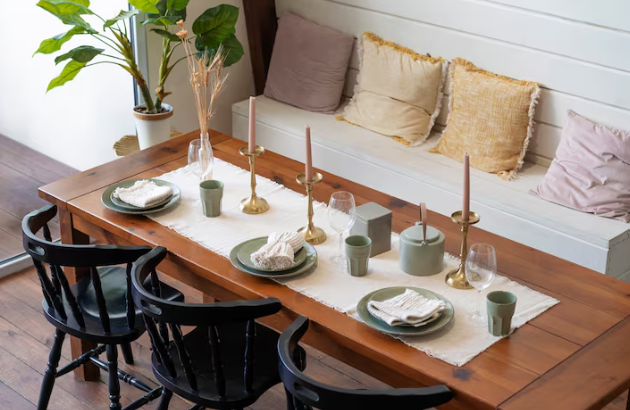
The dining table is more than just a piece of furniture; it is the centerpiece of every home, where families gather for meals, conversations flourish, and memories are made. Choosing the right dining table involves balancing aesthetics, functionality, and durability to suit your lifestyle and interior design preferences. From classic wooden tables to modern minimalist designs, the options are vast, and understanding the materials, styles, and maintenance requirements is crucial for making a well-informed decision. In this guide, we will explore dining table ideas, styles, practical buying tips, and maintenance strategies, along with frequently asked questions to help you make the best choice for your home.
Dining Table Ideas: Styles, Materials, and Designs
When selecting a dining table, style and material are two of the most important considerations. Wooden tables remain timeless favorites, offering warmth and natural beauty. Solid wood, such as oak, walnut, or teak, provides durability and a classic appeal, while reclaimed wood adds character and sustainability to your home. For a modern or minimalist touch, glass dining tables with metal or wooden frames can make spaces appear more open and contemporary.
Design options vary widely, from traditional rectangular tables to round and oval shapes that encourage conversation and intimate gatherings. Extendable dining tables are particularly popular for families or those who host guests frequently, as they combine functionality with elegant design. Additionally, incorporating tables with unique textures or finishes, like matte surfaces or industrial metal frames, can create a striking centerpiece in your dining area.
How to Choose the Perfect Dining Table
Choosing the perfect dining table starts with understanding your space and needs. Measure your dining area carefully to ensure the table fits comfortably while allowing enough room for chairs and movement. Consider the number of people you typically host and whether you require expandable options for larger gatherings.
Material selection plays a critical role in durability and maintenance. Wood offers classic elegance and longevity, while glass and metal provide modern appeal but may require more frequent cleaning. Think about your lifestyle as well; families with children may prefer stain-resistant finishes or rounded edges to minimize accidents. Comfort and style should be balanced—ergonomically designed chairs and appropriate table height ensure that meals are enjoyable and functional.
Dining Table Trends 2025
In 2025, dining table trends reflect a blend of comfort, style, and sustainability. Modern designs are leaning toward minimalist aesthetics with sleek surfaces, clean lines, and neutral tones. Rustic tables, featuring reclaimed wood and handcrafted finishes, remain popular for adding warmth and character to living spaces. Mixed-material tables combining wood, metal, and glass are gaining attention for their versatility and contemporary look.
Another notable trend is multifunctionality. Dining tables are increasingly used as workspaces, craft areas, or gathering spots beyond mealtime. This has led to innovative designs such as convertible tables, integrated storage options, and lightweight yet durable materials that adapt to dynamic living environments.
Caring for Your Dining Table: Cleaning and Maintenance Tips
Proper care is essential to ensure your dining table remains beautiful and functional for years. Wooden tables should be cleaned with a soft, damp cloth and mild soap, avoiding harsh chemicals that may damage the finish. Regular polishing and occasional application of wood oils can maintain luster and protect against scratches.
For glass tables, a streak-free cleaner or vinegar solution keeps the surface sparkling, while metal or industrial tables benefit from dusting and protective coatings to prevent rust or tarnish. Using placemats, coasters, and table runners can reduce wear and tear while adding decorative flair. Seasonal maintenance, such as tightening screws or inspecting table joints, ensures stability and longevity.
Conclusion
A dining table is more than a functional item—it is a reflection of your lifestyle, style, and home environment. From understanding different materials and designs to staying updated on trends and proper maintenance, choosing the right dining table can transform your dining space into a comfortable and stylish hub. By carefully considering your space, needs, and personal taste, you can select a table that not only enhances your home aesthetically but also provides lasting enjoyment for years to come.
FAQ: Everything You Need to Know About Dining Tables
Q1: What is the best material for a dining table?
A1: Solid wood is highly durable and timeless, while glass and metal offer modern appeal. Consider your lifestyle and maintenance preferences when choosing.
Q2: How do I measure my space for a dining table?
A2: Measure the length, width, and clearance around the table to ensure there’s enough room for chairs and movement. A minimum of 36 inches around the table is recommended.
Q3: Are extendable dining tables worth it?
A3: Yes, they offer flexibility for hosting guests while maintaining a compact size for everyday use.
Q4: How can I protect my dining table from damage?
A4: Use coasters, placemats, and table runners, and follow cleaning guidelines specific to the material of your table.
Q5: What are the dining table trends in 2025?
A5: Trends include minimalist designs, rustic finishes, mixed materials, and multifunctional tables that adapt to modern living spaces.
