
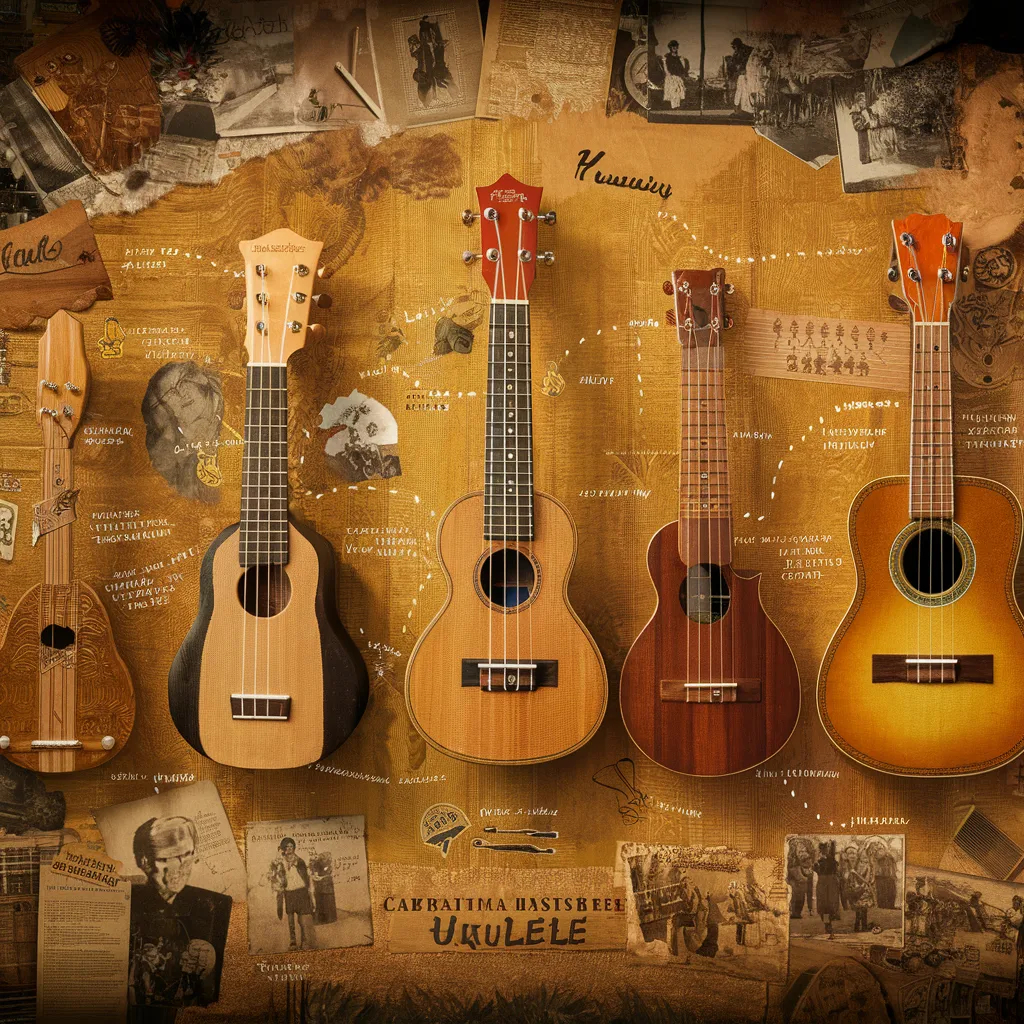
The ukulele, with its cheerful tone and compact design, is one of the most beloved instruments in the world. Its sound instantly evokes feelings of joy, relaxation, and the spirit of aloha. But behind its simple charm lies a fascinating story that spans continents, cultures, and centuries. The history of Ukulele History is a tale of migration, innovation, and cultural exchange beginning in Portugal, flourishing in Hawaii, and eventually spreading across the globe. This article explores the complete history of the ukulele, from its origins and evolution to its global influence and modern-day revival.
The Origins of the Ukulele
The ukulele’s story begins in the late 19th century, not in Hawaii, but in Portugal. The instrument traces its roots to small Portuguese stringed instruments such as the machete de braga, cavaquinho, and rajão. These instruments were brought to Hawaii by Portuguese immigrants, particularly from the island of Madeira, who arrived in the 1870s to work in the sugarcane plantations. Among these immigrants were three cabinet makers and musicians Manuel Nunes, José do Espírito Santo, and Augusto Dias who are often credited with introducing and popularizing the instrument that would eventually evolve into the ukulele.
When the Portuguese settlers played their lively music in the streets of Honolulu, the Hawaiians were captivated by the sound. The instrument’s bright, rhythmic tone and compact size made it ideal for local music and gatherings. The Hawaiians quickly adopted and adapted the instrument, refining its design and tuning to suit their musical preferences. They named it “ukulele,” a Hawaiian word that translates to “jumping flea,” possibly referring to the quick finger movements of the players or the lively sound of the strings.
The Ukulele’s Rise in Hawaiian Culture
By the late 19th and early 20th centuries, the ukulele had become deeply embedded in Hawaiian culture. It was embraced by Hawaiian royalty, most notably King David Kalākaua, who was a passionate supporter of the arts and played a key role in promoting Hawaiian music and dance. Under his reign, the ukulele became a symbol of national pride and cultural identity. It was featured prominently in royal gatherings, hula performances, and public celebrations, helping to preserve and promote Hawaiian traditions during a time of rapid modernization.
The ukulele’s popularity continued to grow as Hawaiian music gained recognition beyond the islands. The instrument’s portability and cheerful tone made it a favorite among both amateur and professional musicians. It became a central part of Hawaiian folk music, often accompanying songs that celebrated nature, love, and island life. The ukulele’s association with aloha spirit warmth, friendliness, and joy cemented its place as a cultural icon of Hawaii.
The Ukulele’s Journey to the Mainland United States
The early 20th century marked the ukulele’s introduction to the mainland United States, where it quickly captured the imagination of American audiences. The turning point came during the Panama-Pacific International Exposition held in San Francisco in 1915. Hawaiian musicians performed at the event, showcasing the ukulele and traditional Hawaiian songs to thousands of visitors. The performances were a sensation, sparking a nationwide fascination with Hawaiian culture and music.
Following the exposition, the ukulele became a major trend in American popular music. Manufacturers such as Martin and Gibson began producing ukuleles to meet the growing demand. The instrument’s affordability and ease of learning made it accessible to people of all ages. By the 1920s, the ukulele had become a staple of American households, schools, and vaudeville performances. It was featured in jazz, folk, and pop music, symbolizing a carefree and optimistic spirit during the Roaring Twenties.
The Ukulele in the Mid-20th Century
The ukulele’s popularity continued through the mid-20th century, though it experienced fluctuations in mainstream attention. During the 1940s and 1950s, the instrument enjoyed a resurgence thanks to artists like Arthur Godfrey, a television and radio personality who frequently played the ukulele on his shows. His influence inspired a new generation of players and led to a boom in ukulele sales across the United States.
In the 1960s, the ukulele found a place in the folk revival movement, with musicians incorporating it into their performances for its warm, melodic tone. However, as rock and electric guitar music began to dominate the charts, the ukulele’s popularity waned. Despite this, it remained a beloved instrument among enthusiasts and educators, valued for its simplicity and charm.
The Ukulele Revival and Global Popularity
The late 20th and early 21st centuries saw a remarkable revival of interest in the ukulele. This resurgence was fueled by the internet, social media, and a new generation of musicians who rediscovered the instrument’s versatility. Artists such as Israel Kamakawiwoʻole, whose medley of “Somewhere Over the Rainbow/What a Wonderful World” became an international hit, played a pivotal role in reintroducing the ukulele to global audiences. His soulful rendition showcased the instrument’s emotional depth and connection to Hawaiian culture.
In the 2000s and 2010s, the ukulele became a favorite among indie musicians, educators, and hobbyists. Its accessibility, affordability, and portability made it ideal for beginners and professionals alike. Online tutorials, YouTube performances, and ukulele festivals around the world helped create a vibrant global community of players. Today, the ukulele is celebrated not only as a Hawaiian symbol but also as a universal instrument of joy and creativity.
The Ukulele’s Cultural Significance
Beyond its musical appeal, the ukulele holds deep cultural significance. In Hawaii, it remains a symbol of heritage and identity, representing the fusion of native and immigrant influences that shaped the islands’ history. Globally, the ukulele has come to symbolize positivity, simplicity, and connection. Its gentle sound transcends language and cultural barriers, bringing people together through music.
The ukulele’s enduring popularity also reflects a broader cultural shift toward authenticity and mindfulness. In an age dominated by technology and fast-paced living, the ukulele offers a return to simplicity a reminder that music can be both accessible and meaningful. Whether played on a beach, in a classroom, or on a concert stage, the ukulele continues to inspire creativity and community.
Conclusion
The history of Ukulele History is a story of transformation, resilience, and cultural harmony. From its humble beginnings in Portugal to its adoption and reinvention in Hawaii, the ukulele has traveled across oceans and generations, evolving into a global symbol of joy and unity. Its cheerful sound and rich heritage remind us that music has the power to connect people, preserve traditions, and inspire new forms of expression. Today, the ukulele stands not only as an instrument but as a testament to the enduring spirit of creativity and cultural exchange. Whether strummed by a beginner or a virtuoso, the ukulele continues to bring smiles and songs to the world.
FAQs
1. Where did the ukulele originate?
The ukulele originated from Portuguese stringed instruments brought to Hawaii by immigrants from Madeira in the late 19th century. It was later adapted and popularized by Hawaiians.
2. Why is it called a ukulele?
The word “ukulele” means “jumping flea” in Hawaiian, possibly referring to the quick finger movements of players or the lively sound of the instrument.
3. Who introduced the ukulele to Hawaii?
Portuguese immigrants, including Manuel Nunes, José do Espírito Santo, and Augusto Dias, are credited with introducing the instrument to Hawaii in the 1870s.
4. When did the ukulele become popular in the United States?
The ukulele gained widespread popularity in the U.S. after the 1915 Panama-Pacific International Exposition in San Francisco, where Hawaiian musicians performed for large audiences.
5. Why did the ukulele become popular again in recent years?
The ukulele’s modern revival is due to its accessibility, online tutorials, and performances by artists like Israel Kamakawiwoʻole, which showcased its emotional and cultural depth.
6. What makes the ukulele unique?
The ukulele’s small size, bright tone, and cultural heritage make it unique. It’s easy to learn, portable, and capable of expressing a wide range of emotions and musical styles.
