
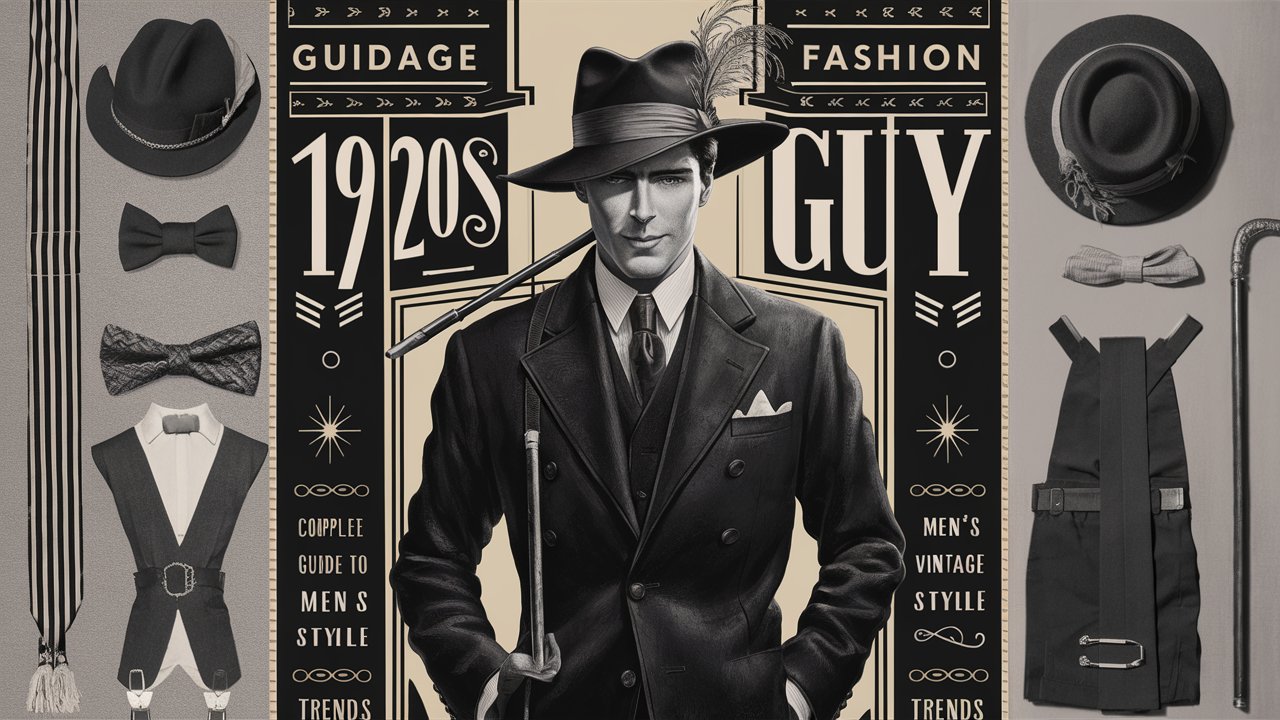
The 1920s was a decade of transformation, elegance, and rebellion. Known as the “Roaring Twenties,” this era marked a shift in culture, music, and fashion. Men’s fashion in the 1920s reflected newfound confidence and sophistication, influenced by jazz culture, Hollywood glamour, and post-war prosperity. The 1920s guy fashion was all about sharp tailoring, clean lines, and attention to detail. From three-piece suits and fedoras to Oxford shoes and pocket watches, every element of a man’s outfit symbolized refinement and modernity.
The Evolution of 1920s Men’s Fashion
The 1920s marked a dramatic shift in men’s fashion. After World War I, men moved away from the rigid, formal Victorian styles and embraced a more relaxed yet refined look. The decade was defined by prosperity and social change, and fashion reflected this newfound freedom. Men began to experiment with lighter fabrics, slimmer silhouettes, and bolder patterns. The influence of jazz culture and Hollywood stars like Rudolph Valentino and Cary Grant introduced a sense of glamour and confidence to everyday attire.
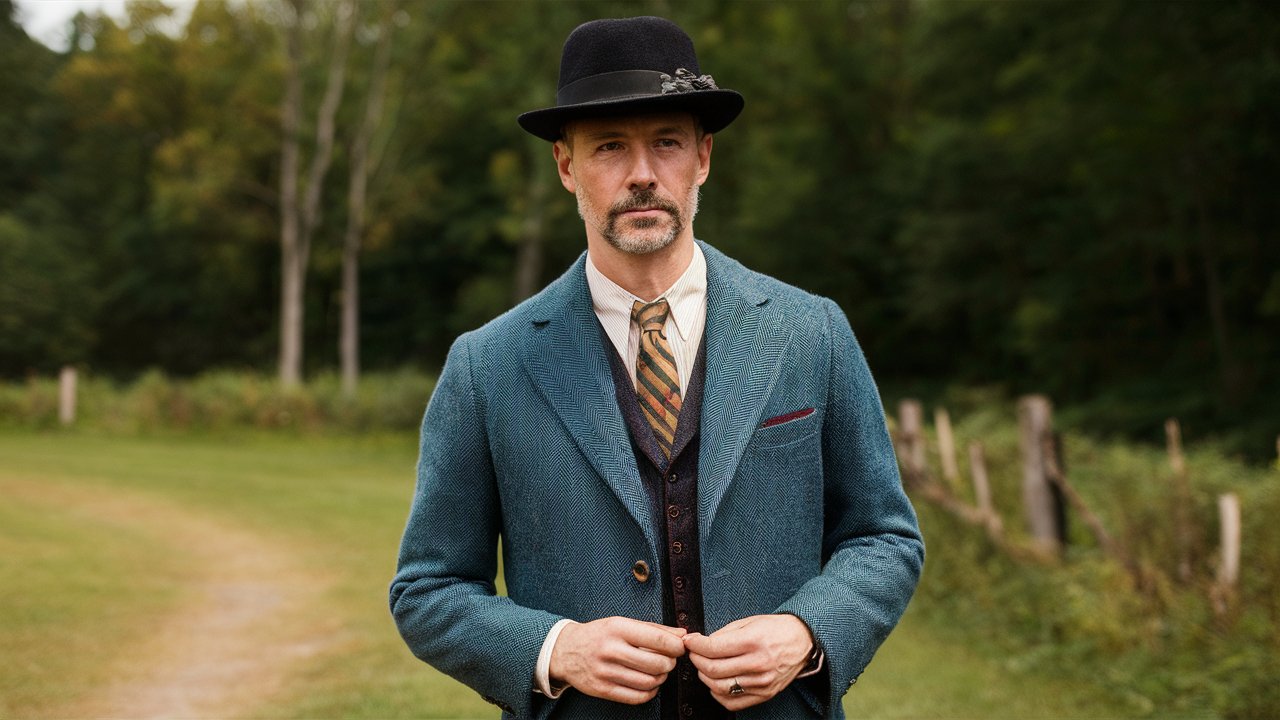
Daywear became more practical, while evening wear remained elegant and sophisticated. The three-piece suit became the cornerstone of 1920s men’s fashion, consisting of a jacket, vest, and trousers. These suits were often made from wool, tweed, or flannel, with pinstripes and checks being popular patterns. The fit was tailored but comfortable, emphasizing broad shoulders and a narrow waist.
The Classic 1920s Suit
The suit was the defining element of 1920s guy fashion. Men wore suits for nearly every occasion, from business meetings to social gatherings. The typical 1920s suit featured high-waisted trousers with a straight or slightly tapered leg, often worn with suspenders instead of belts. Jackets were single or double-breasted with wide lapels and padded shoulders, giving men a strong, masculine silhouette.
Colors ranged from conservative shades like navy, gray, and brown to more adventurous tones such as olive, tan, and burgundy. During the summer months, lighter fabrics like linen and seersucker were popular choices. The vest, or waistcoat, added an extra layer of sophistication and was often worn with a pocket watch chain for a touch of class.
Shirts, Ties, and Accessories
Shirts in the 1920s guy fashion were typically white or light-colored with detachable collars, which allowed men to keep their shirts clean while changing collars for different occasions. The most common collar styles were the pointed collar and the rounded “club” collar. Striped and patterned shirts also gained popularity as men became more adventurous with their style.
Ties were an essential part of the 1920s look. Silk ties with geometric patterns, stripes, or Art Deco designs were fashionable, reflecting the artistic trends of the era. Bow ties were also common, especially for formal events. Pocket squares, cufflinks, and tie pins added a touch of personality and refinement.
Accessories played a crucial role in completing the 1920s gentleman’s outfit. Hats were a daily necessity—fedoras, bowler hats, and flat caps were the most popular choices. Leather gloves, walking canes, and pocket watches were symbols of sophistication. Shoes were typically Oxford or brogue styles, polished to perfection and often made from high-quality leather.
Casual and Sportswear in the 1920s
While formalwear dominated much of the decade, the 1920s guy fashion also saw the rise of casual and sportswear. As leisure activities like golf, tennis, and motoring became popular, men’s fashion adapted to suit these lifestyles. Knitted sweaters, cardigans, and vests became fashionable alternatives to jackets. Plus fours—knee-length trousers worn with long socks—were a common choice for sports and outdoor activities.
Casual shirts with soft collars replaced stiff formal ones, and lightweight fabrics like cotton and linen became staples for summer wear. The influence of Ivy League style also began to emerge, with young men adopting preppy looks that combined comfort with elegance. This shift toward casual fashion marked the beginning of modern menswear as we know it today.
Hairstyles and Grooming
The 1920s man paid close attention to grooming and personal style. Slicked-back hair was the signature look of the decade, achieved with pomade or hair oil for a glossy finish. The side part was the most common hairstyle, giving men a clean and polished appearance. Mustaches were still fashionable, though many men preferred a clean-shaven look inspired by Hollywood actors.
Grooming products like shaving cream, cologne, and hair tonic became widely available, reflecting the growing emphasis on personal care. The well-groomed appearance of 1920s men symbolized confidence, success, and modernity.
Modern Takes on 1920s Guy Fashion
The influence of 1920s guy fashion continues to inspire modern designers and style enthusiasts. The tailored suits, vintage accessories, and timeless silhouettes of the era have made a comeback in contemporary fashion. Modern interpretations often blend vintage charm with modern tailoring, creating a look that is both classic and current.
For those looking to recreate 1920s guy fashion style today, focus on key elements such as a well-fitted suit, a crisp dress shirt, and polished shoes. Add accessories like a fedora, pocket square, or suspenders to capture the authentic vintage vibe. Whether for themed events, weddings, or everyday wear, 1920s-inspired fashion remains a symbol of elegance and sophistication.
Conclusion
The 1920s was a golden age of men’s fashion, defined by elegance, confidence, and innovation. The decade’s emphasis on tailored suits, refined accessories, and impeccable grooming created a timeless aesthetic that continues to influence modern style. 1920s guy fashion was more than just clothing—it was a statement of identity, success, and sophistication. Today, the enduring appeal of this era reminds us that true style never goes out of fashion. By embracing the spirit of the Roaring Twenties, modern men can channel the same charm and confidence that defined one of the most stylish decades in history.
Frequently Asked Questions
1. What did men wear in the 1920s?
Men in the 1920s typically wore three-piece suits with vests, high-waisted trousers, and tailored jackets. Accessories like hats, pocket watches, and polished shoes completed the look.
2. What were popular colors for 1920s men’s suits?
Common colors included navy, gray, brown, and tan. During summer, lighter shades like cream and beige were popular, often made from linen or seersucker.
3. What kind of hats did men wear in the 1920s?
Fedoras, bowler hats, and flat caps were the most popular choices. Hats were considered essential for completing a gentleman’s outfit.
4. How can someone dress like a 1920s gentleman today?
To recreate the 1920s look, wear a tailored suit with a vest, a crisp dress shirt, and classic accessories like suspenders, a tie, and polished leather shoes.
5. What influenced 1920s men’s fashion?
Post-war prosperity, jazz culture, and Hollywood glamour heavily influenced 1920s men’s fashion, leading to a blend of elegance and modernity.
6. Were casual clothes popular in the 1920s?
Yes, casual and sportswear became increasingly popular, with men wearing sweaters, plus fours, and soft-collared shirts for leisure activities.
7. What hairstyles were common for men in the 1920s?
Slicked-back hair with a side part was the signature style, often achieved with pomade for a shiny, polished finish.
8. Why is 1920s fashion still popular today?
The timeless elegance, attention to detail, and classic tailoring of 1920s fashion continue to inspire modern designers and style enthusiasts around the world.
