
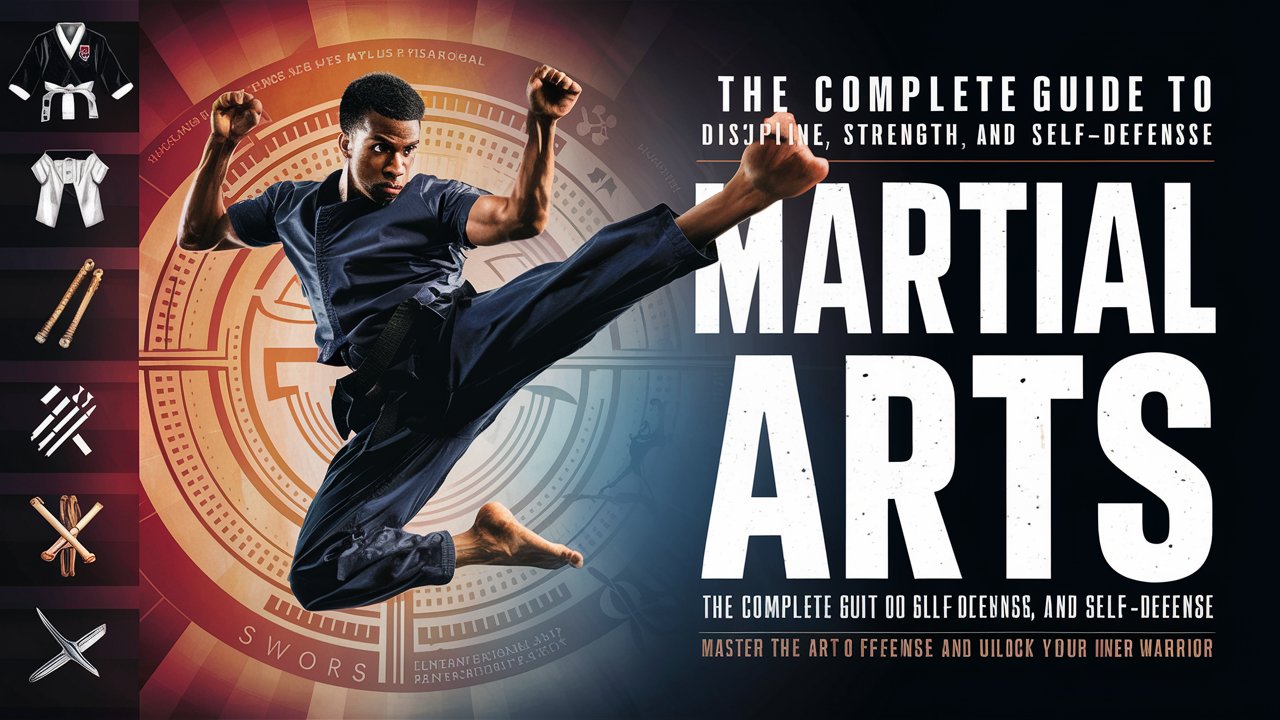
Martial arts have been practiced for centuries across different cultures, evolving from ancient combat techniques into modern systems of physical fitness, mental discipline, and self-defense. Today, martial arts are not only about fighting or competition but also about personal growth, confidence, and inner peace. From traditional styles like Karate, Taekwondo, and Kung Fu to modern disciplines such as Brazilian Jiu-Jitsu and Mixed Martial Arts (MMA), each form offers unique benefits for the body and mind. The practice of martial arts teaches respect, focus, and perseverance—qualities that extend far beyond the training mat. This article explores the history, types, benefits, and philosophy of martial arts, providing a complete understanding of why it remains one of the most powerful practices for personal development and physical mastery.
The History and Evolution of Martial Arts
The origins of martial arts can be traced back thousands of years to ancient civilizations that developed combat systems for survival and warfare. In Asia, martial arts evolved as both physical and spiritual disciplines. Chinese Kung Fu, for example, was influenced by Buddhist philosophy and the movements of animals, while Japanese martial arts such as Judo, Kendo, and Karate emphasized discipline, respect, and self-control. In Korea, Taekwondo emerged as a national sport that combined traditional fighting techniques with modern athleticism. Over time, martial arts spread across the world, adapting to different cultures and purposes. Today, martial arts are practiced globally for self-defense, competition, fitness, and personal development, blending ancient wisdom with modern training methods.
Types of Martial Arts and Their Unique Characteristics
1. Karate
Originating in Okinawa, Japan, Karate focuses on striking techniques using punches, kicks, and knee strikes. It emphasizes precision, speed, and power, along with mental discipline and respect for opponents.
2. Taekwondo
Developed in Korea, Taekwondo is known for its dynamic kicks and fast-paced movements. It is both an Olympic sport and a form of self-defense that promotes flexibility, balance, and confidence.
3. Kung Fu
Kung Fu, one of the oldest martial arts, originated in China and encompasses a wide range of styles and philosophies. It combines fluid movements, strength training, and meditation, reflecting the harmony between body and mind.
4. Judo
Judo, meaning “the gentle way,” focuses on throws, grappling, and submissions rather than strikes. It teaches practitioners how to use an opponent’s strength against them, emphasizing technique over brute force.
5. Brazilian Jiu-Jitsu (BJJ)
BJJ is a ground-based martial art that focuses on leverage, joint locks, and chokeholds. It is highly effective for self-defense, especially for smaller individuals facing larger opponents.
6. Mixed Martial Arts (MMA)
MMA combines techniques from various martial arts, including boxing, wrestling, Muay Thai, and BJJ. It is one of the most popular combat sports today, showcasing versatility, endurance, and adaptability.
The Physical Benefits of Practicing Martial Arts
Martial arts training provides a full-body workout that improves strength, flexibility, endurance, and coordination. Regular practice enhances cardiovascular health, builds muscle tone, and increases agility. The repetitive movements and drills improve balance and posture, while sparring sessions develop reflexes and reaction time. Beyond physical fitness, martial arts also promote weight management and overall well-being. The combination of aerobic and anaerobic exercises ensures that practitioners develop both power and stamina. Over time, consistent training leads to improved energy levels, better sleep, and a stronger immune system.
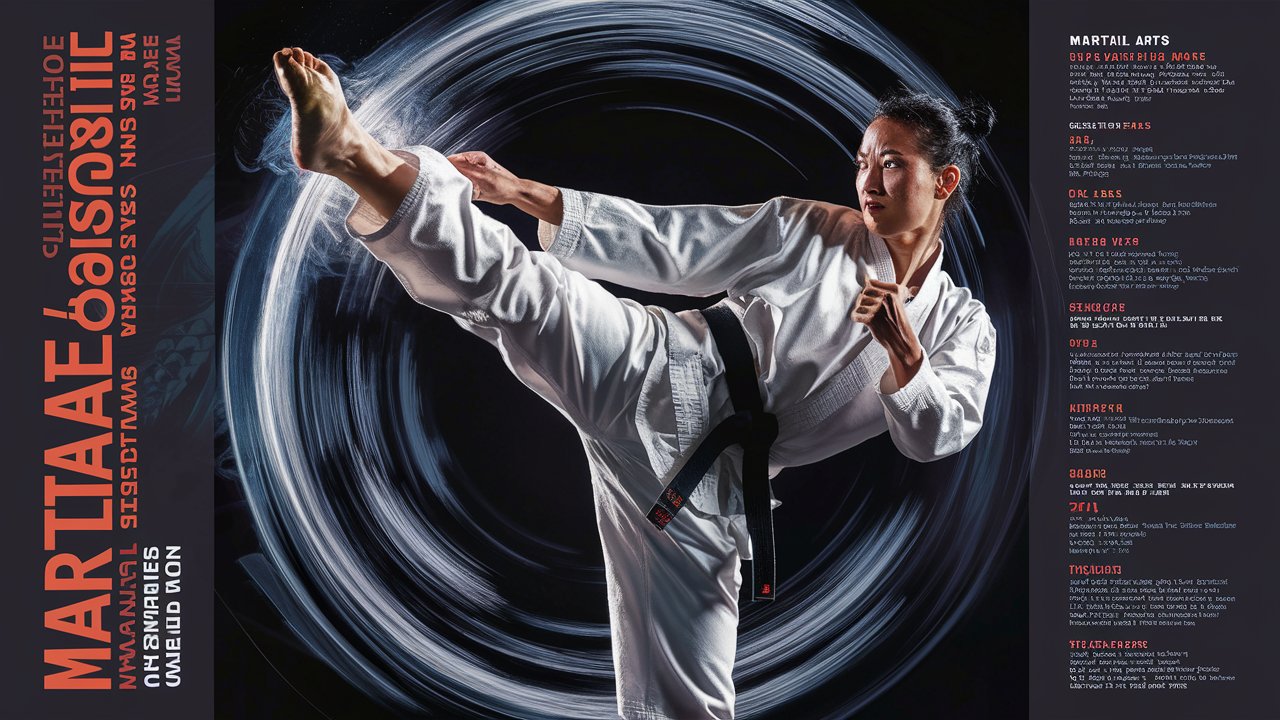
The Mental and Emotional Benefits of Martial Arts
One of the most profound aspects of martial arts is its impact on mental health and emotional stability. Training requires focus, patience, and discipline, which help practitioners develop a calm and resilient mindset. The structured environment of martial arts schools teaches respect, humility, and perseverance. Students learn to control their emotions, manage stress, and maintain composure under pressure. The philosophy behind martial arts emphasizes self-improvement rather than competition, encouraging individuals to overcome personal limitations. This mental clarity and confidence often extend into daily life, improving relationships, work performance, and overall happiness.
Martial Arts as a Way of Life
For many practitioners, martial arts go beyond physical training—it becomes a lifelong journey of self-discovery and personal growth. The principles of martial arts, such as respect, integrity, and perseverance, shape character and influence behavior outside the dojo. Practicing martial arts fosters a sense of community and belonging, as students train together and support one another’s progress. The discipline learned through consistent practice helps individuals set goals, stay motivated, and face challenges with determination. Over time, martial arts become not just a skill but a philosophy that guides one’s approach to life, emphasizing balance, mindfulness, and continuous improvement.
How to Get Started with Martial Arts
Starting martial arts training begins with choosing the right style based on personal goals and interests. Beginners should research local schools or dojos, visit classes, and speak with instructors to find a supportive environment. It’s important to start with an open mind and realistic expectations, focusing on learning the fundamentals rather than seeking quick results. Proper attire, such as a uniform or training gear, ensures comfort and safety during practice. Consistency is key—attending classes regularly and practicing at home accelerates progress. Over time, beginners will notice improvements in strength, confidence, and focus, making martial arts a rewarding and transformative experience.
Conclusion
Martial arts represent a timeless practice that unites physical strength, mental discipline, and spiritual growth. From ancient traditions to modern sports, martial arts continue to inspire millions around the world to pursue excellence, balance, and self-mastery. Whether the goal is self-defense, fitness, or personal development, martial arts offer a path to transformation that extends far beyond the training floor. The lessons learned through martial arts—respect, perseverance, and humility—become guiding principles for life. In a world filled with distractions and stress, martial arts provide a sanctuary for focus, confidence, and inner peace, proving that true strength lies not only in the body but also in the mind and spirit.
Frequently Asked Questions (FAQ)
1. What are martial arts?
Martial arts are systems of combat and self-defense that combine physical techniques with mental discipline and philosophical principles. They are practiced for fitness, competition, and personal growth.
2. Which martial art is best for beginners?
Karate, Taekwondo, and Judo are excellent choices for beginners because they emphasize discipline, technique, and gradual skill development.
3. Can martial arts help with self-defense?
Yes, martial arts teach practical self-defense techniques that improve awareness, confidence, and the ability to protect oneself in real-life situations.
4. Are martial arts suitable for all ages?
Absolutely. Martial arts can be practiced by children, adults, and seniors. Training programs are often tailored to different age groups and fitness levels.
5. How often should martial arts be practiced?
For steady progress, practicing two to three times per week is recommended. Consistency is more important than intensity, especially for beginners.
6. Do martial arts improve mental health?
Yes, martial arts reduce stress, improve focus, and build emotional resilience. The discipline and mindfulness developed through training contribute to better mental well-being.
7. What equipment is needed for martial arts?
Basic equipment includes a uniform (such as a gi or dobok), protective gear, and sometimes training weapons depending on the style.
8. Can martial arts be practiced at home?
While it’s best to learn under the guidance of an instructor, many techniques and exercises can be practiced at home to improve strength, flexibility, and coordination.
9. How long does it take to earn a black belt?
The time varies depending on the martial art and the student’s dedication, but it typically takes between three to five years of consistent training.
10. What is the main goal of martial arts?
The ultimate goal of martial arts is self-improvement—developing physical strength, mental clarity, and moral character while achieving harmony between body and mind.
