
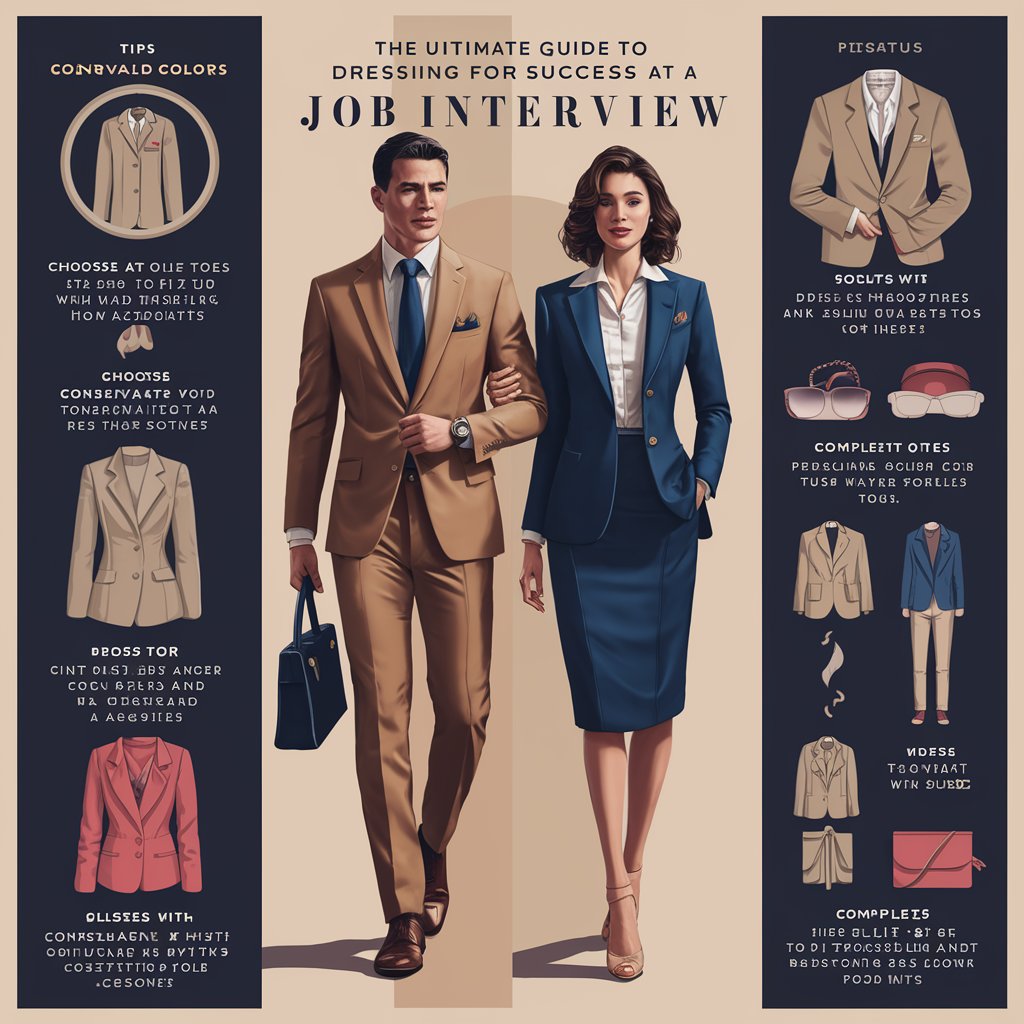
Knowing what to wear to an interview can make the difference between leaving a lasting impression and blending into the background. First impressions matter, and the way a candidate presents themselves visually often speaks before they even say a word. Dressing appropriately for an interview shows professionalism, confidence, and respect for the company and the opportunity. However, choosing the right outfit can be challenging because expectations vary depending on the industry, company culture, and job role. Whether it’s a corporate position, a creative role, or a casual startup environment, understanding how to dress the part is essential. This comprehensive guide explores everything about what to wear to an interview, including outfit ideas for men and women, tips for different industries, and how to balance style with professionalism.
Why Dressing Right for an Interview Matters
The question of what to wear to an interview goes beyond fashion it’s about communication. The way a candidate dresses sends a message about their professionalism, attention to detail, and understanding of workplace culture. Employers often form opinions within the first few seconds of meeting someone, and attire plays a major role in shaping that perception. Dressing appropriately shows that the candidate respects the opportunity and has taken the time to prepare. It also boosts self-confidence, helping candidates feel more composed and capable during the interview. While skills and experience ultimately determine success, appearance can influence how those qualities are perceived. Therefore, choosing the right outfit is an essential part of interview preparation.
Understanding the Company Dress Code
Before deciding what to wear to an interview, it’s important to research the company’s dress code. Different industries have different expectations, and aligning with those standards demonstrates awareness and adaptability. For corporate environments such as finance, law, or consulting, formal business attire is typically expected think tailored suits, dress shirts, and conservative colors. In contrast, creative industries like marketing, design, or tech startups often embrace business casual or smart casual styles, allowing for more personality in clothing choices. Researching the company’s website, social media, or employee photos can provide valuable insight into their culture. When in doubt, it’s always better to dress slightly more formal than too casual, as it shows professionalism and effort.
What to Wear to an Interview for Men
For men, what to wear to an interview depends largely on the formality of the position. In a corporate setting, a well-fitted suit in navy, charcoal, or black is a safe and professional choice. Pair it with a crisp white or light blue dress shirt, a conservative tie, and polished dress shoes. Accessories should be minimal a classic watch and a leather belt are sufficient. For business casual interviews, men can opt for dress slacks or chinos paired with a button-down shirt and a blazer. Avoid overly bright colors or bold patterns that may distract from the conversation. Grooming is equally important clean-shaven or neatly trimmed facial hair, tidy hair, and clean nails contribute to a polished appearance. The goal is to look confident, competent, and well-prepared.
What to Wear to an Interview for Women
For women, what to wear to an interview offers a range of options depending on the company’s culture. In formal settings, a tailored pantsuit or skirt suit in neutral tones such as black, navy, or gray is ideal. Pair it with a blouse in a soft color and closed-toe heels or flats. Jewelry should be simple and understated, complementing rather than overpowering the outfit. For business casual environments, women can choose dress pants or a pencil skirt paired with a blouse or blazer. Dresses that fall at or below the knee are also appropriate, provided they are modest and professional. Hair should be neat, makeup natural, and nails clean. The key is to project confidence and professionalism while maintaining comfort and authenticity.
What to Wear to an Interview in Different Industries
The best interview outfit varies depending on the industry. In traditional fields like banking, law, or government, formal business attire remains the standard. In creative industries such as advertising, fashion, or media, candidates can express individuality through stylish yet professional clothing think tailored trousers, smart blouses, or statement accessories. For tech companies and startups, business casual is often the norm, allowing for more relaxed outfits like chinos, blazers, or smart dresses. In trade or labor positions, practical and clean attire such as khakis and collared shirts is appropriate. The goal is to match the company’s culture while maintaining a polished and professional appearance. Dressing appropriately for the industry shows that the candidate understands the environment and can fit seamlessly into the team.
Colors and Fabrics That Work Best for Interviews
Color psychology plays a subtle but powerful role in interviews. Neutral tones such as navy, gray, black, and beige convey professionalism, reliability, and confidence. Blue, in particular, is often associated with trust and calmness, making it a popular choice for interview attire. Avoid overly bright or flashy colors that may distract from the conversation. Fabrics should be clean, wrinkle-free, and comfortable cotton, wool blends, and lightweight synthetics are ideal for maintaining a crisp appearance. Avoid materials that cling or wrinkle easily, as they can appear unkempt. The goal is to look polished and composed throughout the interview, regardless of the setting or duration.
Common Mistakes to Avoid When Dressing for an Interview
When deciding what to wear to an interview, it’s just as important to know what not to wear. Avoid clothing that is too casual, such as jeans, t-shirts, or sneakers, unless the company explicitly encourages it. Overly revealing or tight-fitting clothes can appear unprofessional, while excessive perfume or cologne can be distracting. Loud patterns, flashy accessories, or unkempt grooming can also detract from a professional image. Another common mistake is wearing uncomfortable clothing that causes distraction during the interview. Always try on the outfit beforehand to ensure it fits well and feels comfortable. Attention to these details demonstrates preparation and respect for the opportunity.
Final Touches: Grooming and Presentation
Beyond clothing, overall presentation plays a crucial role in making a positive impression. Cleanliness, neat grooming, and good posture all contribute to a professional appearance. Shoes should be polished, clothes pressed, and accessories minimal. Carrying a professional-looking folder or briefcase for resumes and documents adds a finishing touch. For virtual interviews, the same principles apply dress professionally from head to toe, ensure good lighting, and maintain a tidy background. Confidence, eye contact, and a genuine smile complete the look, leaving a lasting impression that goes beyond attire.
Conclusion
Understanding what to wear to an interview is about more than just fashion it’s about presenting the best version of oneself. The right outfit communicates confidence, professionalism, and respect for the opportunity. By researching the company culture, choosing appropriate attire, and paying attention to grooming, candidates can make a strong first impression that complements their skills and experience. Whether dressing for a corporate boardroom or a creative studio, the key is to balance authenticity with professionalism. When you look good, you feel good and that confidence can make all the difference in landing the job.
FAQs
1. What should I wear to a job interview if I’m unsure of the dress code?
When in doubt, choose business professional attire. It’s always better to be slightly overdressed than underdressed for an interview.
2. Can I wear jeans to an interview?
Jeans are generally not recommended unless the company has a very casual dress code. Opt for dress pants or chinos instead.
3. What colors are best for interview outfits?
Neutral colors like navy, gray, black, and beige are ideal. They convey professionalism and confidence without being distracting.
4. How should I dress for a virtual interview?
Dress the same way you would for an in-person interview. Choose professional attire, ensure good lighting, and maintain a clean background.
5. Is it okay to show personal style in an interview outfit?
Yes, as long as it remains professional. Subtle accessories, color accents, or unique details can reflect personality without compromising formality.
