
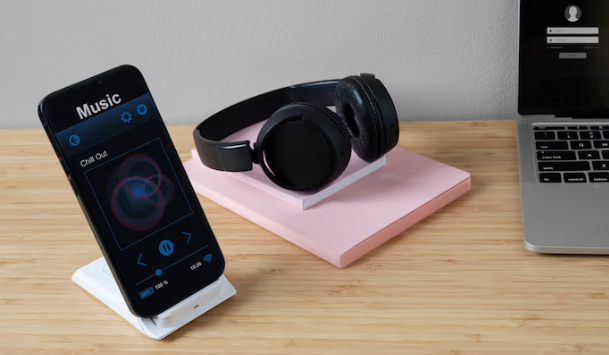
In an era where smartphones evolve at lightning speed and user expectations constantly shift, the concept of CDiPhone (or cdiphone) is drawing attention among tech enthusiasts, early adopters and mobile professionals alike. While the term itself may still sound unfamiliar to many, the idea behind cdiphone — a mobile device or configuration that brings together advanced customization, deeper cloud-integration, enhanced security and specialized use-case support for the modern smartphone era — is becoming increasingly relevant in 2025. In this article we dive into what cdiphone means, explore its standout features, examine the real-world benefits it offers, compare it to standard smartphone usage, and reflect on why it could matter for you now (whether you’re a business user, developer, creator or everyday consumer).
What is CDiPhone?
At its core, the term CDiPhone combines two elements: the “iPhone” aspect referencing the smartphone experience (primarily associated with Apple’s iPhone line) and the “CD” or “C” prefix which in many discussions is interpreted as “custom/controlled”, “cloud-driven”, or “configured device”. According to tech analysis, cdiphone may refer to specially configured iPhones (or smart devices) that integrate enhanced cloud services, enterprise-level customization, advanced security features, and workflows beyond average consumer use. Dar-Care+2itechsoul.com+2 Some sources describe cdiphone as a “hybrid” concept where a standard device is upgraded or optimized for niche audiences — such as audiophiles, creators, businesses or archival workflows. myroller.co+1 What makes cdiphone different from simply “an iPhone” is the increased focus on tailored functionalities — for example, deeper integration of media workflows, high-fidelity support, cloud/drive hybrid storage, device management and user experience customisation.
Key Features of CDiPhone
When we look at what sets a cdiphone (or CDiPhone-concept device) apart, several major features emerge:
Cloud-Driven Integration & Synchronization
One of the notable traits of cdiphone setups is a seamless link between device, cloud storage, backup, media library and external workflows. In effect, the smartphone is not just a standalone device but a node in a larger ecosystem that allows heavier reliance on cloud services, cross-device sync, automatic backups, archival retrieval and streamlined access. Dar-Care+1 This means users experience less friction when moving between devices, accessing large media libraries, or switching between offline and online modes.
Customization & Enterprise/Developer Tailoring
Another dimension is that cdiphone devices often come pre-configured or supported with enterprise-grade features: mobile device management (MDM), bespoke apps, custom security restrictions, specialized use-case presets (for creators, businesses) and workflows designed for productivity rather than just casual consumption. Dar-Care+1 For example, companies can deploy cdiphone-type devices to employees with specific apps and restrictions pre-installed, ensuring compliance and uniformity across a fleet of devices.
Enhanced Security & Privacy Controls
With the proliferation of mobile threats, cdiphone concepts emphasise heightened security: encrypted storage, biometric access, robust authentication, frequent updates, enterprise policy enforcement, and integration with secure cloud services. The idea is to offer a device experience that goes beyond the standard consumer model into a more professional, hardened environment. Dar-Care+1
Media & Hybrid Storage Capabilities
Some interpretations of cdiphone extend toward hybrid media workflows: connecting physical media (for example disc archives) to a mobile device, using optical or legacy media alongside modern flash/cloud storage. Although still largely conceptual, articles mention cdiphone as bridging older formats with modern mobile use. myroller.co This means for creators or archivists who still rely on disc based backups (or offline backups), the cdiphone idea may offer more flexibility.
Future-Ready Technology & Workflow Extensions
Because cdiphone is viewed as a forward-looking concept, it is positioned to adapt to emerging technologies: larger storage capacities, 5G/6G connectivity, augmented reality (AR) or virtual reality (VR) support, modular attachments, advanced sensors, better media processing and cross-device ecosystem integration. Psd Gold
Benefits of Adopting CDiPhone
Given the features above, what are the concrete benefits you might enjoy if you opt for a cdiphone-style device or workflow?
Greater Productivity and Efficiency
With enhanced customization, cloud integrations and enterprise features, a cdiphone can streamline workflows: whether you’re a creator editing high-resolution media, a business user needing secure communications, or a developer testing apps across devices. The smoother sync and fewer barriers to access large media or archives can save time and reduce frustration.
Better Device Lifecycle and Future Proofing
A cdiphone design that anticipates future storage, connectivity and media workflows can offer longer utility. Instead of treating your handset as a disposable consumer gadget, by using one with hybrid media support, robust cloud linkages and advanced management, you may prolong its useful life and adapt to evolving needs.
Strong Security Posture
If you handle sensitive data, or simply value privacy, the enhanced security features associated with cdiphone devices provide peace of mind. The stronger authentication, enterprise management options, and cloud linkages reduce the risks of data loss or breach.
Archival and Media Flexibility
For those with large media libraries, legacy disc archives, or hybrid storage needs, a cdiphone concept opens up possibilities: archiving content offline (disc or optical), tagging and retrieving via the phone, or syncing large files via cloud seamlessly. Even though this is more niche, the benefit for specific users is significant.
Enhanced User Experience and Custom Workflows
Because cdiphone pushes beyond standard consumer usage, the experience may feel more tailored, more powerful, more capable. Whether you’re customizing your device, automating tasks, or integrating with other gear, the workflow advantage can translate into user satisfaction.
CDiPhone vs Standard iPhone: A Comparative View
It’s useful to compare a cdiphone-type device/workflow with a standard iPhone (or smartphone) usage scenario to highlight where the differences lie:
-
Flexibility & Customization
Standard iPhone: uses consumer apps, general settings, typical cloud backup.
CDiPhone: customized apps, enterprise policies, tailored workflows, deeper integration. -
Storage & Media Handling
Standard: uses built-in flash and iCloud/consumer cloud; archiving/backups may rely on external drives.
CDiPhone: supports hybrid media workflows, large archives, advanced media conversion/handling. -
Security & Device Management
Standard: consumer grade security, regular updates, basic device management.
CDiPhone: enterprise-grade security, MDM, custom access controls, stronger encryption. -
Intended Use-Cases
Standard: everyday usage (calls, social media, streaming).
CDiPhone: advanced usage (creators, business, developers, media archivists). -
Cost & Complexity
Standard: relatively straightforward, plug-and-play.
CDiPhone: potentially higher cost, more setup, more complexity—but greater capability.
Why CDiPhone Matters in 2025
In 2025, the mobile device landscape is more saturated than ever. New phones are released every year, cloud services continue to expand, media libraries grow, creator demands increase, and security threats are more sophisticated. In this context, the cdiphone concept matters because it addresses several key trends:
-
The convergence of consumer and professional device use: Many users now expect their phone to do more than just “phone + apps” — they expect creation, media handling, secure business workflows.
-
The growth of hybrid media and legacy integration: While streaming and cloud dominate, many users still rely on legacy media (disc archives, physical backups) or require offline/archival solutions. A cdiphone approach bridges this gap.
-
The rising importance of security, privacy and device management in personal and professional contexts: As mobile threats grow, having more robust device setups matters.
-
The shift from “single-use” mobile devices to multi-role devices: The modern phone isn’t just for calls—it’s for media creation, business, archival, field work, remote collaboration. CDiPhone aligns with that evolution.
Because of these factors, investing time or money into a cdiphone-style device—or adopting the mindset/workflows of cdiphone—can result in better alignment with where mobile tech is heading.
Considerations and Potential Limitations
Of course, it’s important to note that cdiphone isn’t a flawless concept. Some considerations include:
-
Cost & Complexity: The more advanced customization, cloud services, and hybrid media support may require higher cost or deeper technical knowledge.
-
Niche Needs: If you’re a casual smartphone user, a standard device may suffice; the cdiphone advantages may only be significant for creators, business users or archivists.
-
Setup & Maintenance: More advanced workflows mean more setup, more dependencies (cloud, external drives, custom apps) and possibly more maintenance.
-
Compatibility & Support: Some features (e.g., custom media workflows, legacy disc support) may require auxiliary gear or services, which might reduce portability or simplicity.
-
Device Innovation Trade-Offs: If you adopt a device with unusual/custom features, you may compromise on aspects like simplicity, repairability or standardization.
How to Get Started with CDiPhone-Style Setup
If you’re intrigued by the cdiphone concept and want to explore it, here are some steps:
-
Assess your needs: Are you working with large media libraries, doing creator work, needing enterprise workflows, or simply wanting more from your smartphone?
-
Choose a device that supports advanced workflows: A flagship smartphone with high storage, strong cloud integration, robust security features.
-
Set up cloud-drive sync and external storage access: Use services that support large files, archives, backups, versioning. Consider external drives or disc libraries if relevant.
-
Install or configure custom apps/workflows: For creators, install media editing apps; for security, enable MDM or enterprise-grade apps; for archivists, set up media management.
-
Secure your device: Enable encryption, strong authentication, backup/recovery plans, device tracking/wiping features.
-
Archive/retain legacy media if needed: If you have DVDs/CDs/disc archives, set up a workflow to import, convert, tag and sync with your device and cloud.
-
Maintain and update: Regular software updates, cloud backups, health checks and backups of backups.
Conclusion
The CDiPhone concept represents a forward-looking synthesis of mobile device capability, cloud integration, media flexibility and enterprise-grade customization. In 2025, as smartphones become ever more central to our creative, professional and personal lives, adopting a cdiphone mindset (or device setup) can give you an edge: smoother workflows, stronger security, better media handling and future adaptability.If your mobile usage is evolving beyond the basics, exploring cdiphone strategies could be a smart step.
FAQ
Q1: What exactly does “cdiphone” mean?
A1: The term “cdiphone” (often written as CDiPhone) is not an official product name but rather a concept referring to a smartphone (typically an iPhone or similar device) that is configured or optimized with enhanced features: strong cloud integration, advanced media workflows, enterprise customization and robust security. Dar-Care
Q2: Is CDiPhone a special model of iPhone sold by Apple?
A2: No — there is no official “CDiPhone” model marketed by Apple. The term is used in tech blogs and enthusiast forums to describe a specialized usage or workflow of an existing smartphone rather than a distinct hardware model. itechsoul.com+1
Q3: Who will benefit most from using a CDiPhone-style setup?
A3: Users who will feel the greatest benefit include creators (video/photo editors), archivists (with large media or disc libraries), business professionals (needing secure, managed devices), developers/testers (requiring custom workflows) and heavy media consumers. Casual users may not notice much difference over a well-equipped standard smartphone.
Q4: What are the key advantages of CDiPhone compared to a standard smartphone?
A4: The advantages include stronger workflow integration (cloud + device), enhanced customization (apps/workflow tailored to you), better media handling (archives, large files, hybrid storage), improved security/management, and greater future-proofing for advanced use-cases.
Q5: Are there any downsides or things to watch out for?
A5: Yes. Potential downsides include higher cost, added complexity, greater maintenance/management requirements, and the fact that if you don’t need advanced workflows you may not fully utilise the benefits. Also, compatibility and support issues may arise with niche workflows or external media accessories.
Q6: How can I start building a CDiPhone-style system today?
A6: Start by evaluating your needs (media size, workflow, security), choosing a capable device, setting up cloud drive sync and backups, installing workflow/custom apps, configuring security (encryption, authentication), and if needed integrating legacy media/archive workflows. Over time, refine and optimize based on usage and results.
