
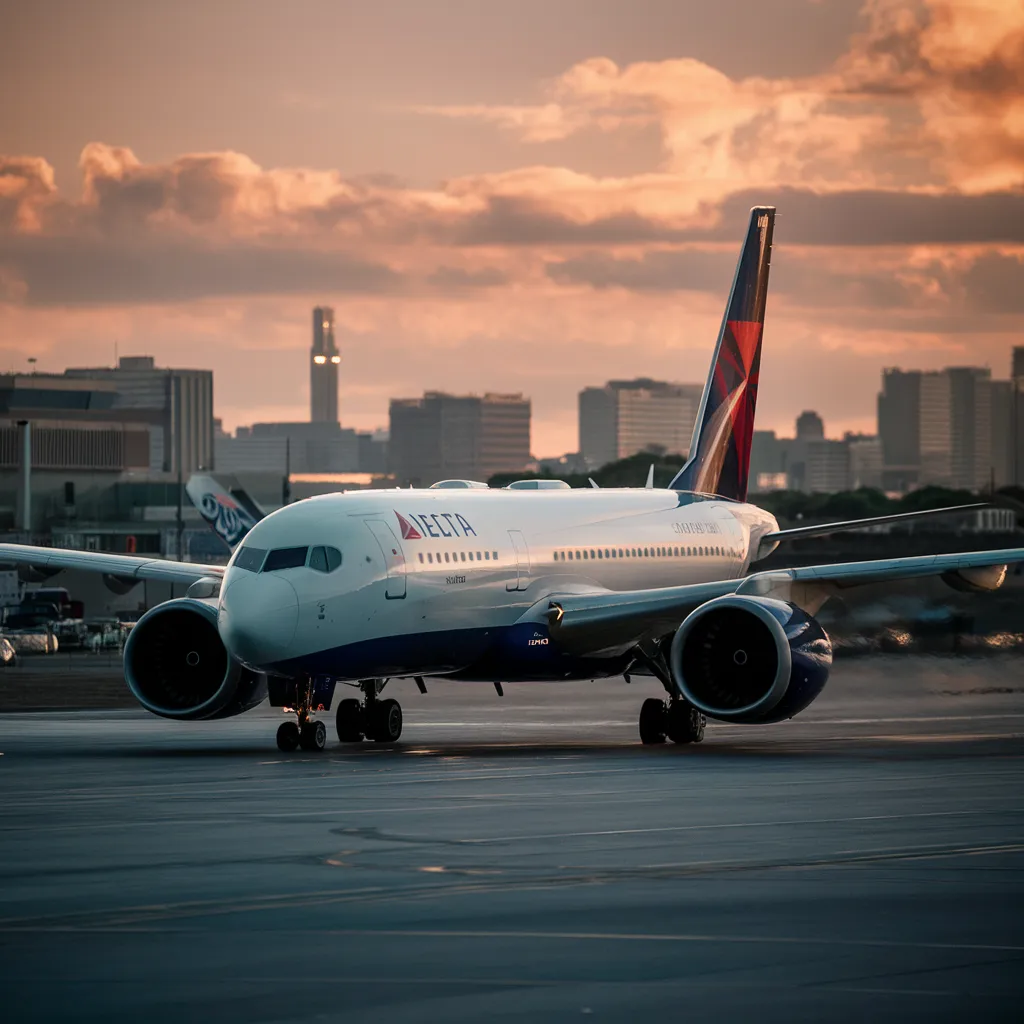
When a commercial flight unexpectedly diverts from its planned route it immediately captures public attention and raises questions about safety, airline procedures, and passenger experiences. Such was the case with Delta Flight DL275 Diverted to LAX to Los Angeles International Airport (LAX) during its scheduled journey. The incident quickly became a topic of discussion among travelers and aviation enthusiasts, as diversions are rare and often involve complex operational decisions. This article provides a complete overview of what happened to Delta Flight DL275, why it was diverted, how the airline responded, and what passengers experienced during the event.
What Happened to Delta Flight DL275
Delta Flight DL275 was operating as a long-haul international service when it was unexpectedly diverted to Los Angeles International Airport (LAX). The flight, originally scheduled to travel from Tokyo’s Haneda Airport (HND) to Seattle-Tacoma International Airport (SEA), encountered an in-flight issue that prompted the crew to make a precautionary landing. According to early reports, the diversion was made out of an abundance of caution after the flight crew detected a potential technical irregularity.
Upon approach, the aircraft was met by emergency response teams at LAX, a standard safety procedure for precautionary landings. Passengers were informed of the situation by the flight crew, who maintained calm and professionalism throughout the process. Once the plane landed safely, it was directed to a remote gate for inspection by maintenance personnel. Delta Airlines later confirmed that all passengers were safe and that the diversion was handled according to established safety protocols.
Why Delta Flight DL275 Was Diverted to LAX
While Delta Airlines did not immediately release detailed information about the cause, sources close to the airline indicated that the diversion was due to a mechanical alert detected during the flight. In modern aviation, even minor technical warnings can trigger diversions, as airlines prioritize safety above all else. The aircraft’s onboard systems are designed to detect potential issues early, allowing pilots to take preventive action before a situation escalates.
LAX was chosen as the diversion airport because it is one of Delta’s major operational hubs on the West Coast, equipped with advanced maintenance facilities and emergency support teams. The decision to divert to Los Angeles rather than continue to Seattle ensured that the aircraft could be inspected immediately and that passengers would have access to rebooking options and accommodations. This decision reflects Delta’s commitment to operational safety and passenger care.
Passenger Experience During the Diversion
For passengers aboard Delta Flight DL275, the diversion was unexpected but handled with professionalism and transparency. Reports from travelers indicate that the crew provided regular updates and reassurances throughout the flight. Flight attendants remained attentive, ensuring that passengers stayed calm and informed.
Upon landing at LAX, passengers were asked to remain seated while the aircraft was inspected. Delta’s ground staff quickly mobilized to assist with rebooking and onward travel arrangements. Those with connecting flights were provided with updated itineraries, while others were offered hotel accommodations and meal vouchers. Many passengers later praised the airline’s communication and the smoothness of the landing, noting that the crew’s composure helped maintain a sense of safety and trust.
This incident highlights the importance of crew training and crisis management in modern aviation. Airlines like Delta invest heavily in preparing their staff for unexpected situations, ensuring that passengers are cared for even when plans change abruptly.
Delta Airlines’ Response and Safety Protocols
Delta Airlines issued an official statement following the diversion, confirming that Flight DL275 landed safely at Los Angeles International Airport after the crew decided to divert out of caution. The airline emphasized that safety is its top priority and that the decision was made in accordance with standard operating procedures.
After landing, Delta’s maintenance teams conducted a thorough inspection of the aircraft to identify and resolve the issue. The airline also worked closely with aviation authorities to ensure full compliance with safety regulations. Passengers were rebooked on alternative flights to Seattle or other destinations, and Delta provided compensation for delays and inconveniences.
This incident underscores Delta’s strong safety culture and its proactive approach to handling in-flight irregularities. The airline’s swift response and transparent communication reinforced its reputation as one of the most reliable carriers in the industry.
The Importance of Diversions in Aviation Safety
While diversions can be inconvenient for passengers, they are a critical part of aviation safety. A diversion does not necessarily indicate a severe emergency; rather, it reflects the proactive measures taken by pilots and airlines to prevent potential problems. In the case of Delta Flight DL275, the decision to divert to LAX likely prevented further complications and ensured that passengers reached their destination safely, even if delayed.
Modern aircraft are equipped with advanced diagnostic systems that continuously monitor performance. When these systems detect anomalies whether mechanical, environmental, or medical the flight crew evaluates the situation and determines the safest course of action. Diversions are carefully coordinated with air traffic control, ground operations, and emergency services to ensure a smooth and secure landing.
By choosing to divert, Delta demonstrated its adherence to the highest safety standards, reinforcing public confidence in commercial aviation.
Impact on Passengers and Future Flights
Following the diversion, Delta worked swiftly to minimize disruptions for affected passengers. Replacement aircraft were arranged, and most travelers were able to continue their journey within hours. The airline also offered travel credits and assistance to those who experienced significant delays.
For future flights, Delta continues to review its operational procedures to ensure that similar incidents are handled efficiently. The company’s proactive approach to safety and customer service has helped maintain its strong reputation among frequent flyers.
Passengers who experience diversions are encouraged to remain patient and cooperative, as such decisions are always made with their safety in mind. Airlines typically provide real-time updates through mobile apps, text alerts, and gate announcements, ensuring that travelers are informed every step of the way.
Conclusion
The diversion of Delta Flight DL275 Diverted to LAX serves as a reminder of the aviation industry’s unwavering commitment to safety. While unexpected, the event was handled with professionalism, transparency, and care hallmarks of Delta Airlines’ operational excellence. Every decision made during the flight prioritized the well-being of passengers and crew, demonstrating the effectiveness of modern safety protocols.
In the end, the successful diversion and safe landing at Los Angeles International Airport highlight the reliability of today’s aviation systems and the dedication of those who operate them. For passengers, it reinforces an important truth: even when plans change midair, safety always comes first.
FAQs
1. What happened to Delta Flight DL275?
Delta Flight DL275 was diverted to Los Angeles International Airport (LAX) after the crew detected a potential issue during the flight. The diversion was made as a precautionary measure to ensure passenger safety.
2. Why was the flight diverted to LAX specifically?
LAX was chosen because it is a major Delta hub with advanced maintenance facilities and emergency support, allowing the airline to address the situation quickly and safely.
3. Were any passengers injured during the diversion?
No injuries were reported. All passengers and crew members landed safely, and the diversion was handled smoothly.
4. How did Delta assist passengers after the diversion?
Delta provided rebooking options, hotel accommodations, and meal vouchers for affected passengers. The airline also issued updates and assistance through its customer service channels.
5. Are diversions like this common?
Diversions are relatively rare but not unusual. They occur when pilots or airlines detect potential issues that require immediate attention to ensure safety.
6. What happens to the aircraft after a diversion?
After landing, the aircraft undergoes a full inspection by maintenance teams to identify and resolve any technical issues before returning to service.
